Pikey Peak Trek – 10 Days | ピケピークトレッキング10日間

旅行の豆知識

  • 間隔 10 日数
  • 旅行の難易度 moderate
  • 最大。高度 4,065 m
  • 開始と終了 ダプ・バザール - ファプル
  • ベストタイム 春・秋
  • 宿泊施設 ティーハウス / ロッジ

旅行のハイライト

  • Experience the peaceful and less-traveled trail to Pikey Peak (4,065 m)
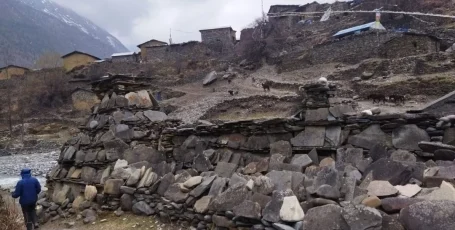
  • Discover traditional Sherpa culture and their authentic Himalayan way of life
  • Walk through ever-changing landscapes filled with verdant hills, scenic villages, and rich greenery
  • Enjoy a tranquil atmosphere far from the crowds
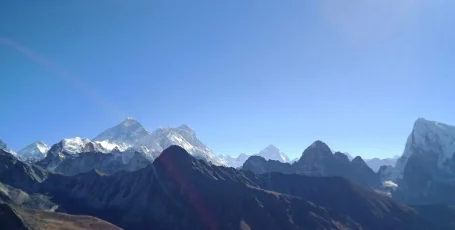
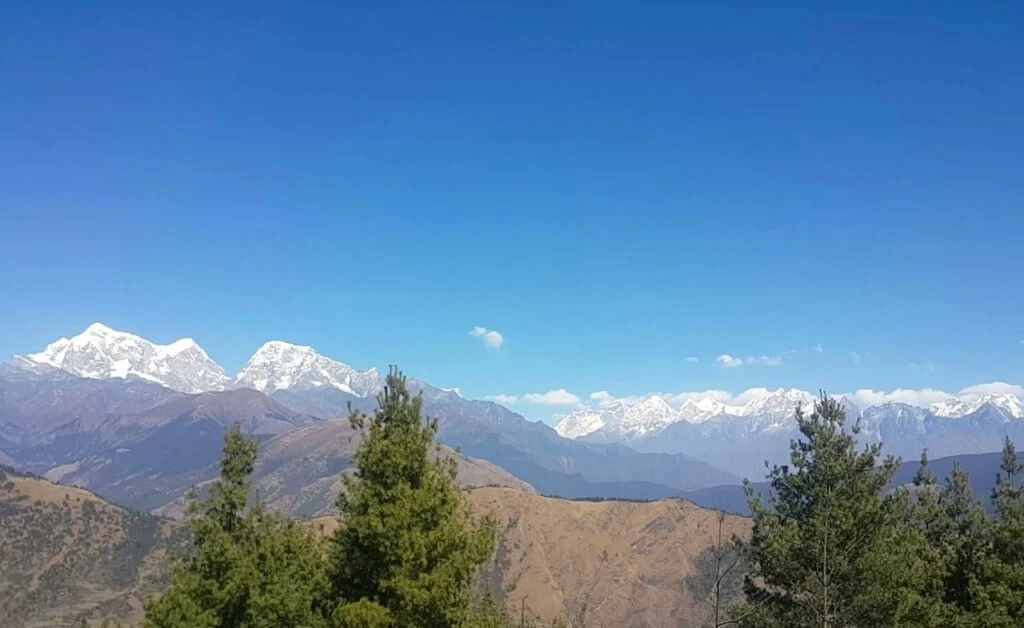
  • Witness breathtaking views of Himalayan giants like Everest, Lhotse, Kanchenjunga, Thamserku, and Numbur Chuli

The Pikey Peak Trek, located in the Everest region, is emerging as one of the best alternative trekking routes for those seeking a quieter and more peaceful adventure. With fewer crowds and a tranquil atmosphere, it allows trekkers to immerse themselves in the unspoiled natural beauty of the Himalayas. As a newly introduced trail, it is gradually gaining popularity among adventurers looking for something off the beaten path.

One of the unique aspects of this trek is the access by vehicle, providing a distinctive travel experience in the Everest region. Along the way, trekkers journey through charming Sherpa villages, offering a chance to observe their rich culture and traditional Himalayan lifestyle. The trail is filled with vibrant greenery, rolling hills, terraced farms, and diverse landscapes that captivate the senses.

The highlight of the trek is the ascent to Pikey Peak, standing at 4,065 meters, which offers stunning panoramic views of towering peaks like Everest, Lhotse, Makalu, Cho-Oyu, Thamserku, Kanchenjunga, and Numbur Chuli. The best seasons to undertake the Pikey Peak Trek are Spring and Autumn, when the weather and temperatures are most favorable for trekking.

Outline Itinerary

Day 1: Kathmandu arrival (1400 m)
Day 2: Trek document preparation, (Kathmandu Sightseeing optional)
Day 3: Drive to Dhap Bazaar (2850 m) from Kathmandu
Day 4: Trek from Dhap Bazaar to Jhapre (2815 m)
Day 5: Jhapre to Pikey Peak Base Camp (3640 m)
Day 6: Pikey Peak Base Camp to Pikey Peak (4065 m), back to Jase Bhanjyang (3520 m)
Day 7: Jase Bhanjyang to Junbesi (2700 m)
Day 8: Junbesi to Phaplu (2413 m)
Day 9: Drive to Kathmandu by vehicle (1400 m)
Day 10: Final departure

Essential Information

  • Full-board meals are provided during the trek, offering healthy and hygienic food options.
  • In the cities, only breakfast is usually included.
  • Teahouses offer menu choices ranging from local Nepali dishes to continental meals.
  • Basic yet cozy teahouses provide beds with quilts and pillows for a comfortable stay.
  • Bathrooms are attached in lower altitudes, while shared outdoor toilets are common in higher regions.
  • Internet and mobile networks are generally reliable in lower areas of the trek.
  • Additional charges may apply for hot showers, Wi-Fi, laundry, and drinking water.
  • Both tap water and bottled mineral water (USD 1–2 per bottle) are widely available.
  • Boiled drinking water is available at teahouses for an extra fee.
  • It’s advisable to carry a reusable water bottle and use purification tablets or a filter for safe drinking water.

Permits

Sagarmatha National Park (SNP), Khumbu Rural Municipality Permit, and Trekkers Information Management System (TIMS) are mandatory permits for the Pikey Peak trek.

Sagarmatha National Park (SNP)

NPR 1500/person (SAARC)

NPR 3000/person (Foreigners)

Khumbu Rural Municipality Permit

NPR 1000/person (SAARC)

NPR 2000/person (Foreigners)

Trekkers Information Management System (TIMS)

NPR 1000/person (SAARC)
NPR 2000/person (Foreigners)
NPR 500/person (Diplomats/Foreign Officials)

Transportation

Pikey Peak Trek’s transportation is as follows:

  • Kathmandu to Dhap Bazaar and Phaplu to Kathmandu by local bus
  • Shared or private vehicles at an extra cost are available

Best Seasons

For the most breathtaking views, the ideal time to trek to Pikey Peak is during Spring (March to May) and Autumn (September to November), when the weather is pleasant and temperatures are steady. In contrast, monsoon and winter seasons bring unpredictable weather, slippery trails, and limited facilities along the route. If trekking during these off-seasons, careful planning is essential.

Altitude Sickness and Prevention

The Pikey Peak Trek reaches a maximum altitude of 4,065 meters, and since altitude sickness can commonly occur above 2,500 meters, there is a potential risk during the trek. To minimize this risk, it is essential to take proper acclimatization rest as outlined in the itinerary. Symptoms of altitude sickness may include headache, vomiting, dizziness, restlessness, loss of appetite and sleep, and in severe cases, hallucinations or unconsciousness. To prevent altitude sickness, trekkers are advised to acclimatize properly, ascend gradually, and stay well-hydrated. Eating a balanced diet, avoiding alcohol and salty foods, and listening to your body are equally important. Adequate sleep, light physical activity, and consulting with your guide if symptoms appear are also crucial. Taking only prescribed medications when needed and avoiding overexertion will further help ensure a safe and enjoyable trekking experience.

Trek Difficulty and Fitness Level

The Pikey Peak Trek is considered to be of moderate difficulty. While prior trekking experience is beneficial, it is still manageable for beginners with decent fitness levels. Experienced trekkers may find the journey relatively easier, whereas beginners might find it more challenging due to the long hours of walking on uneven and rugged terrain. The trek also comes with limited access to services and basic comforts, which can add to the difficulty.

Physical fitness plays a crucial role in completing this trek successfully. Trekkers should be in good health and possess both physical endurance and mental resilience. To prepare for the trek, it is recommended to engage in regular physical activities such as cardio and high-intensity workouts, along with mental conditioning through practices like meditation and yoga.

Travel Insurance

Travel insurance is essential for trekking, as it protects travelers from unexpected expenses that may arise due to unforeseen circumstances. We strongly recommend purchasing insurance from a reputable provider. When choosing a travel insurance policy, ensure that it includes coverage for emergency evacuation, trip cancellations, medical emergencies, accidents, and loss, theft, or damage of personal belongings. Additionally, make sure the policy covers altitudes above 5,000 meters.

Packing List

🧳 Essential Gear & Kits

  • Comfortable backpack
  • Duffel bag for extra storage
  • Warm sleeping bag (rated to -15°C)
  • Trekking poles for support
  • Water purification solution or tablets
  • Trekking map

👚 Clothing & Layers

  • Lightweight T-shirts and fabric base layers
  • Long and short-sleeve shirts
  • Quick-drying undergarments
  • Waterproof and windproof jacket
  • Insulating down jacket
  • Fleece or warm inner jacket
  • Trekking pants, trousers, and hiking shorts
  • Gloves, beanies, scarves, bandanas, and balaclava
  • Hats or caps for sun protection
  • Raincoat for unexpected weather
  • Gaiters for muddy or snowy terrain
  • Warm socks

👟 Footwear

  • Durable hiking boots
  • Comfortable rubber sandals
  • Casual shoes for evenings

📄 Important Documents

  • Passport and visa copy
  • Travel insurance documents
  • Trekking permits
  • Passport-size photos

🍫 Snacks & Nutrition

  • Energy bars and drink mixes
  • Dry fruits and light snacks

🧼 Personal Hygiene Essentials

  • Biodegradable soap and shampoo sachets
  • Sunscreen and lip balm
  • Face/body wipes and tissues
  • Quick-dry towel
  • Body lotion
  • Toothbrush and toothpaste
  • Nail clipper and razor

🧰 Accessories & Gadgets

  • UV-protective sunglasses
  • Headlamp or torchlight
  • Extra batteries and solar charger
  • Power bank for charging devices
  • Camera, phone, and watch
  • Sewing kit and pocket knife
  • Umbrella and reusable carry bags
  • Thermal reusable water bottle

💊 Personal Items

  • Sufficient cash and credit cards
  • Any prescribed medication

💡Tip: Gear can be rented or purchased in Kathmandu. Pack according to the season to ensure a safe and comfortable trek!


何が含まれていますか?

  • Twin-sharing standard hotel accommodation in Kathmandu for 3 nights
  • Basic teahouse lodging during the trek
  • Full board meals (breakfast, lunch, dinner) during the trek
  • Breakfast included during city stays
  • All airport transfers via private vehicle
  • Domestic flights from Kathmandu to Lukla and back, or as per itinerary
  • Licensed, English-speaking trekking guide
  • One porter for every two trekkers (each with a 10 kg luggage limit)
  • All expenses for guides and porters, including wages, meals, transport, accommodation, insurance, and medical care
  • Required permits: Sagarmatha National Park, Khumbu Rural Municipality, and TIMS
  • Complimentary use of a duffel bag, sleeping bag, trekking map, water purification solution, and basic first-aid kit
  • Emergency rescue service covered by your travel insurance
  • All local and government taxes and administrative fees
  • Farewell dinner at the end of the trip

何が含まれていませんか?

  • International airfares, visa fees, and travel insurance
  • Personal expenses such as clothing, device charging, Wi-Fi, hot water, laundry, and extra meals
  • Lunch and dinner in the cities
  • Drinks including bottled mineral water, alcoholic beverages, cold drinks, juices, tea, and coffee
  • Extra baggage charges beyond the 10 kg limit
  • Additional costs arising from unforeseen events
  • Tips for guides, porters, or any donations
  • Extra accommodation nights in Kathmandu due to early arrival or late departure
  • Any expenses not mentioned in the “Price Include” section

詳細な旅程

  • Day 1: Arrival in Kathmandu (1400 m)

    Arrive at Tribhuvan International Airport in Kathmandu. Transfer to your hotel and rest after your journey. This day is for acclimatizing to the city’s altitude and preparing for the trek ahead. You may choose to explore nearby markets or relax at the hotel.

  • Day 2: Trek Document Preparation and Optional Kathmandu Sightseeing

    Complete all necessary trekking permits and documentation. For those interested, optional sightseeing tours are available to visit famous Kathmandu sites such as Boudhanath Stupa, Pashupatinath Temple, or Durbar Square. Rest and prepare your gear for the trek.

  • Day 3: Drive from Kathmandu to Dhap Bazaar (2850 m)

    Begin your journey by road from Kathmandu to Dhap Bazaar, which takes you through beautiful landscapes and traditional villages. Upon arrival, settle into a teahouse and rest to prepare for the trekking days ahead.

  • Day 4: Trek from Dhap Bazaar to Jhapre (2815 m)

    Start your trek heading towards Jhapre. The trail offers scenic views of lush forests and terraced fields, passing through charming Sherpa villages where you can experience local culture and lifestyle.

  • Day 5: Trek from Jhapre to Pikey Peak Base Camp (3640 m)

    Continue ascending towards the base camp of Pikey Peak. The terrain becomes steeper, with changing landscapes and panoramic views opening up as you gain altitude. Reach the base camp and enjoy the serene mountain environment.

  • Day 6: Ascend to Pikey Peak (4065 m) and descend to Jase Bhanjyang (3520 m)

    Early morning hike to the summit of Pikey Peak for spectacular sunrise views over the Himalayas, including Everest, Lhotse, and Kanchenjunga. After soaking in the breathtaking panorama, descend to Jase Bhanjyang for overnight rest.

  • Day 7: Trek from Jase Bhanjyang to Junbesi (2700 m)

    Descend further as you make your way to Junbesi, a peaceful Sherpa village known for its traditional monasteries and warm hospitality. Explore the village and interact with locals to learn about their culture.

  • Day 8: Trek from Junbesi to Phaplu (2413 m)

    Continue descending to Phaplu, where the trekking trail meets motorable roads. This day offers more comfortable walking and chances to enjoy the surrounding greenery and rural lifestyle.

  • Day 9: Drive from Phaplu to Kathmandu (1400 m)

    Take a scenic drive back to Kathmandu by vehicle. Spend the afternoon at leisure, shopping, relaxing, or preparing for departure.

  • Day 10: Final Departure

    Transfer to the airport for your onward flight, marking the end of your Pikey Peak Trek adventure. Reflect on the incredible journey and memories made.

よくある質問 Pikey Peak Trek – 10 Days | ピケピークトレッキング10日間

  • 1. What is the best time of year to do the Pikey Peak Trek?

    The ideal seasons are Spring (March to May) and Autumn (September to November) when the weather is stable and the views are clear.
  • 2. How difficult is the Pikey Peak Trek?

    It is a moderate trek suitable for trekkers with some experience, though beginners with good fitness can also complete it with proper preparation.
  • 3. Is altitude sickness a concern on this trek?

    Yes, since the trek reaches over 4,000 meters, there is a risk of altitude sickness. Proper acclimatization and rest days are essential to minimize this risk.
  • 4. What kind of accommodation can I expect during the trek?

    Accommodation is mainly in basic teahouses, which provide beds, quilts, and pillows, with attached bathrooms at lower elevations and shared facilities at higher altitudes.
  • 5. Do I need to hire a guide or porter for the Pikey Peak Trek?

    Hiring a licensed guide and porter is highly recommended for safety, navigation, and to support local communities, though it is not mandatory.

他の旅行者の意見は?

あなたが好きかもしれない旅行

関連する旅行を検索し、その中から 1 つを選択できます。

提携先

当社は以下の組織と提携していることを誇りに思います。

旅行を計画していますか?

10年以上この業界で活躍する旅行専門家がお客様をサポ​​ートいたします。まずはご相談ください。

当社の旅行専門家にご紹介します

Roshan Thapa
ネパール、チベット、ブータン

ネパールへの旅行を計画されているなら、ロシャンが完璧な旅程作成をお手伝いします。旅行業界で7年以上の経験を持つ彼は、忘れられない旅の計画を完璧にサポートいたします。


お電話ください。喜んでお手伝いいたします +819092666070