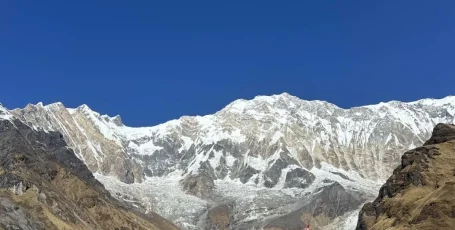
Gokyo Valley Everest Base Camp Trek – 14 Days | ゴーキョ渓谷エベレスト ベースキャンプトレッキング 14日間
旅行の豆知識
- 間隔 14 日数
- 旅行の難易度 moderate
- 最大。高度 5644
- 開始と終了 Kathmandu - Kathmandu
- ベストタイム Mar-May & Sep-Nov
- 宿泊施設 Hotel / Tea House
旅行のハイライト
- Scenic Flight to Lukla – A thrilling mountain flight with breathtaking views of the Himalayas.
- Gokyo Lakes – Stunning turquoise glacial lakes, the highest freshwater lake system in the world.
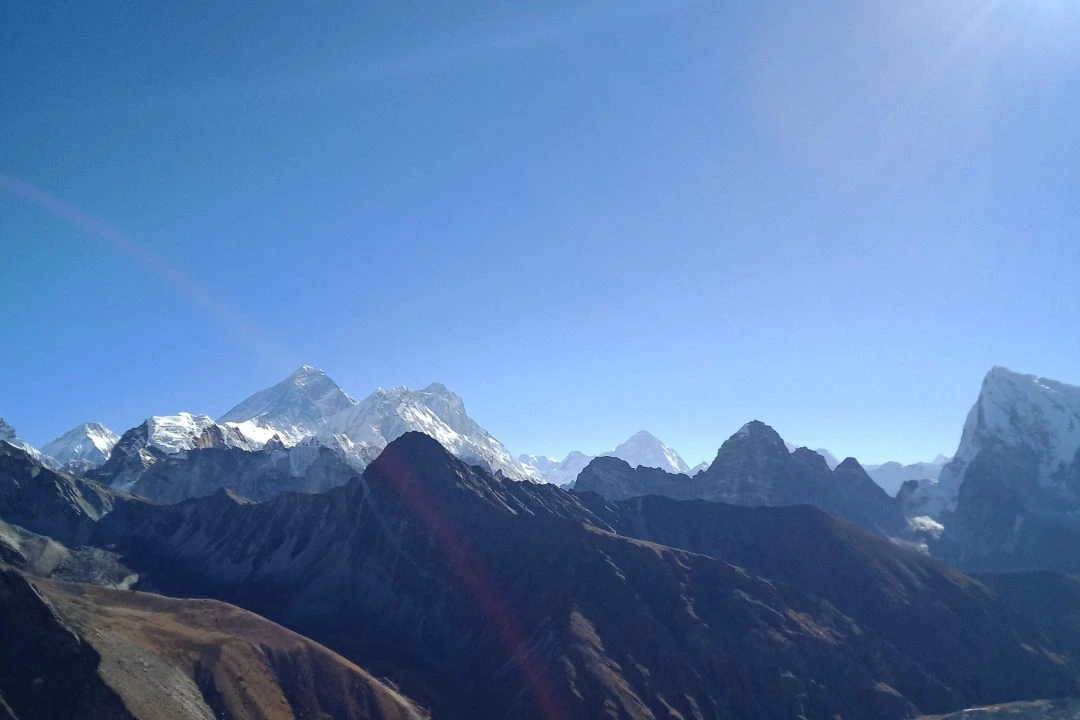
- Gokyo Ri (5,357m) – A panoramic viewpoint offering spectacular views of Everest, Lhotse, Makalu, and Cho Oyu.
- Ngozumpa Glacier – The largest glacier in the Himalayas, providing a dramatic landscape.
- Remote and Peaceful Trails – A less crowded alternative to the classic Everest Base Camp trek.
- Traditional Sherpa Villages – Experience the unique culture, lifestyle, and hospitality of the Sherpa people.
- Stunning Himalayan Sunrise & Sunsets – Unforgettable sunrise and sunset views over the snow-capped peaks.
The Gokyo Valley Everest Base Camp Trek is a breathtaking journey that combines two of the most scenic routes in the Everest region. This adventurous circuit offers trekkers the rare opportunity to experience the stunning turquoise lakes of Gokyo, cross the high-altitude Cho La Pass (5,420m), and reach the iconic Everest Base Camp. The trail begins with a flight to Lukla and gradually ascends through Sherpa villages like Namche Bazaar, Dole, and Machhermo before reaching the tranquil Gokyo Lakes, nestled beneath the majestic Cho Oyu.
A hike up Gokyo Ri (5,357m) rewards trekkers with panoramic views of four 8,000-meter peaks: Everest, Lhotse, Makalu, and Cho Oyu. After crossing the Cho La Pass, the route joins the classic Everest Base Camp trail, leading to the foot of the world’s highest mountain and the dramatic Khumbu Icefall. The trek culminates with a sunrise climb to Kala Patthar (5,545m) for an unforgettable view of Everest. This trek blends culture, adventure, and awe-inspiring landscapes, making it a favorite among experienced trekkers.
What can you expect from the Everest Base Camp trek?
Lukla – Most Exciting Airport In The World
Lukla Airport, officially known as Tenzing-Hillary Airport, is often called the most exciting airport in the world. Nestled at 2,860 meters in Nepal’s Everest region, it features a short 527-meter runway with a dramatic incline, ending at a steep drop into the valley. Unpredictable weather, strong winds, and high-altitude conditions make landings and takeoffs thrilling. Despite the challenges, it remains the gateway to Everest, attracting trekkers eager for adventure in the breathtaking Himalayas.
Sagarmatha National Park Museum
Located in Namche Bazaar, the Sagarmatha National Park Museum offers a deep insight into the region’s natural and cultural heritage. It showcases exhibits on Everest’s ecosystem, Sherpa culture, and mountaineering history. Visitors can learn about the diverse flora and fauna, including snow leopards and red pandas. The museum also features a stunning viewpoint of Mount Everest, making it a must-visit spot for trekkers acclimatizing before heading further into the Khumbu region.
Tengboche Monastery (Thyangboche Monastery or Dawa Choling Gompa)
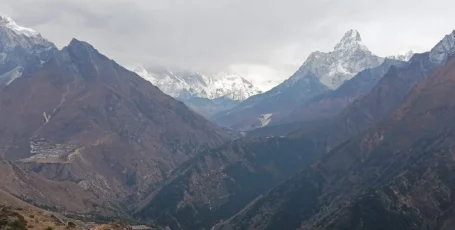
Perched at 3,867 meters, Tengboche Monastery is the largest Buddhist monastery in the Everest region. It offers breathtaking views of Everest, Ama Dablam, and other peaks. Built in 1916, it serves as a spiritual center for trekkers and climbers. The monastery hosts the famous Mani Rimdu festival, a vibrant Buddhist celebration with masked dances and rituals. Visiting Tengboche provides a peaceful and culturally enriching experience amidst the grandeur of the Himalayas.
Nangkar Tsang / Dingboche Viewpoint
At an altitude of around 5,100 meters, Nangkar Tsang Viewpoint above Dingboche offers panoramic views of Everest, Lhotse, Makalu, and Ama Dablam. The steep yet rewarding hike provides trekkers with an excellent acclimatization opportunity. The viewpoint overlooks the vast glacial valleys and rugged landscapes, creating a surreal experience. It’s one of the best spots for sunrise photography, with golden light illuminating the towering Himalayan peaks in an awe-inspiring spectacle.
Everest Base Camp
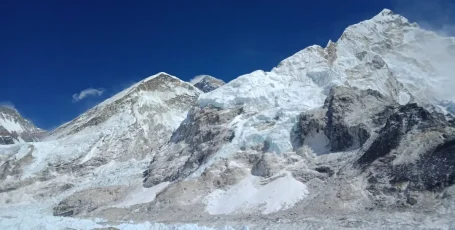
Everest Base Camp (EBC) at 5,364 meters is the dream destination for trekkers worldwide. It serves as the starting point for climbers attempting Mount Everest. The journey to EBC takes trekkers through picturesque Sherpa villages, glaciers, and rugged terrains. Standing at the base of the world’s highest peak offers an overwhelming sense of achievement. While the actual peak isn’t visible from EBC, the surrounding icefalls and towering mountains create a breathtaking experience.
Kalapathar – Closeup View of Everest
Kalapathar (5,545m) is the ultimate viewpoint for a close-up view of Mount Everest. Unlike Everest Base Camp, Kalapathar provides an unobstructed, panoramic vista of Everest’s summit, along with Nuptse and Pumori. Trekkers often hike up before sunrise to witness the golden hues illuminating Everest’s face. The challenging ascent is rewarded with one of the most iconic and surreal Himalayan landscapes, making it the highlight of the Everest Base Camp trek.
Useful Info:
Gokyo Valley & Everest Base Camp Trek Permit Cost
To trek to Everest Base Camp (EBC), you need two essential permits. The first is the Sagarmatha National Park Entry Permit, which costs NPR 3,000 (~USD 23) for foreigners, NPR 1,500 (~USD 11) for SAARC nationals, and NPR 100 for Nepali citizens. This permit can be obtained from the Nepal Tourism Board in Kathmandu or at the Monjo Entrance Checkpoint near Namche Bazaar. The second required permit is the Khumbu Pasang Lhamu Rural Municipality Permit, which costs NPR 2,000 (~USD 15) for both foreigners and SAARC nationals. This permit is issued in Lukla, and unlike other treks in Nepal, a TIMS card is no longer necessary for the EBC trek as this permit replaces it. If your trek includes Gokyo Valley and Cho La Pass, you do not need an additional permit as long as you have the Sagarmatha National Park Permit and the Khumbu Pasang Lhamu Permit. These permits help preserve the region’s natural beauty and support local communities.
How Difficult is the Gokyo Valley Trek? – Geography, Location, and Altitude
The Gokyo Valley Trek is considered moderately to highly challenging, primarily due to its high altitude and remote terrain. Geographically, the trek lies within Sagarmatha National Park, in the northeastern part of Nepal’s Solukhumbu District, home to the majestic Mount Everest and its neighboring peaks. The route follows rugged paths through traditional Sherpa villages, alpine forests, glacial valleys, and high mountain passes like Cho La Pass (5,420m). Altitude is a major factor, with the highest overnight stay at Gokyo Village (4,790m) and optional hikes to Gokyo Ri (5,357m). While technical climbing isn’t required, trekkers should be prepared for long walking days (5–7 hours daily), changing weather conditions, and thin air. Proper acclimatization, physical fitness, and mental endurance are key to completing this trek successfully.
Preparation for Gokyo Valley Trek
Proper preparation is essential to enjoy and complete the Gokyo Valley Trek safely. Begin by focusing on physical training at least 8–10 weeks in advance, including cardio workouts, leg strengthening, and endurance hikes with a backpack. Practice walking on uneven terrain with a loaded daypack to simulate trekking conditions. Acquire necessary gear such as moisture-wicking layers, thermal clothes, down jackets, quality trekking boots, and a good sleeping bag. Familiarize yourself with high-altitude symptoms and carry a basic first aid kit, including altitude sickness medication (e.g., Diamox). Mental readiness is just as important—expect cold weather, basic teahouse facilities, and no luxuries. Finally, plan your itinerary to allow for acclimatization days, book flights to Lukla in advance, and ensure your permits and insurance are arranged. Traveling with a guide or joining a group adds both safety and cultural enrichment to the experience.
Guide Cost for Gokyo Valley Trek
Hiring a guide for the Gokyo Valley Trek significantly enhances safety, cultural understanding, and logistical ease. As of recent rates, a licensed English-speaking guide typically costs USD 30–40 per day, which includes their wages, accommodation, and meals. Many guides are locals from the Khumbu region and offer valuable insights into Sherpa culture, local history, and the natural environment. If you’re trekking in a group, this cost can be shared, making it more affordable. It’s also common to hire a porter (USD 20–25 per day) to carry your heavy bags, allowing you to trek with a lighter load. Guides can also assist in arranging lodges, meals, permits, and emergency services, which are especially useful in high-altitude zones. Hiring through a reputable agency ensures insurance and fair treatment for the guide, though hiring independently in Kathmandu or Lukla is also possible.
Altitude Sickness and Remedies in Gokyo Valley Trek
Altitude Sickness is a significant concern on the Gokyo Valley Trek due to the high elevations encountered, particularly above 3,000 meters. Symptoms of Acute Mountain Sickness (AMS) include headache, nausea, fatigue, shortness of breath, and dizziness. To prevent it, trekkers should follow a gradual ascent schedule, include acclimatization days (e.g., at Namche Bazaar and Gokyo), and follow the mantra “climb high, sleep low.” Staying hydrated, avoiding alcohol, and eating a high-carbohydrate diet also help. Medications like Diamox (acetazolamide) can be used preventatively or to treat mild symptoms. If symptoms worsen, immediate descent is the only cure. Trekkers should know how to recognize the more severe forms—HAPE (High Altitude Pulmonary Edema) and HACE (High Altitude Cerebral Edema)—and seek emergency help, possibly using helicopter evacuation if necessary. Guides are trained in recognizing and responding to these conditions, making them invaluable in such situations.
Food and Water during the Gokyo Valley Trek
During the Gokyo Valley Trek, trekkers are typically served meals in teahouses, which provide surprisingly diverse menus considering the remote setting. Staple foods include dal bhat (rice, lentils, and vegetables), noodles, fried rice, momo (dumplings), soups, and sometimes pasta or pizza. Breakfast often includes porridge, toast, pancakes, and eggs. While the food is nourishing and carb-heavy (ideal for trekking), it’s advisable to eat vegetarian meals to avoid issues with meat quality in high-altitude areas. Drinking safe water is crucial. Bottled water is available but environmentally discouraged and expensive at high altitudes. A better alternative is to carry a refillable water bottle with a purification system (e.g., SteriPEN, chlorine tablets, or filtration bottles). Most teahouses can provide boiled water for a small fee. Staying well-fed and hydrated is critical for energy, recovery, and altitude adjustment during the trek.
Travel Insurance for Gokyo Valley Everest Base Camp Trek
Travel insurance is mandatory for anyone undertaking the Gokyo Valley and Everest Base Camp Trek due to the remote and high-altitude conditions. Your insurance must include emergency medical coverage and high-altitude helicopter evacuation (up to 6,000 meters). In case of serious altitude sickness, injury, or sudden illness, rescue helicopters are often the only option—and costs can be extremely high without insurance. Additionally, your policy should cover trip cancellations, delays (especially Lukla flights), baggage loss, and repatriation. Insurance providers like World Nomads, Global Rescue, and IMG offer trekking-specific packages. Before purchasing, read the fine print to ensure coverage extends to the regions and altitudes you’ll reach. Carry both a digital and printed copy of your insurance certificate, and make sure your guide or tour operator knows how to access it in case of emergency.
Gokyo Valley Trek Booking Procedure
Nepal Ryokou Treks is now accepting bookings for the Gokyo Valley Trek for both 2024 and 2025 seasons. To secure your spot, feel free to reach out to us via our contact details or send us a direct message on any of our social media platforms. Once you get in touch, we’ll provide you with full details about the available trekking slots as well as other exciting trekking routes we offer.
Additional Tips
Plan Extra Days at the End
Always include 2–3 buffer days at the end of your trek in case of weather-related delays, especially with Lukla flights. Mountain weather is unpredictable, and flights are often postponed due to low visibility or strong winds. These extra days help ensure you don’t miss international flights or other post-trek travel plans. It also gives you time to rest and recover in Kathmandu after the trek. This small adjustment to your itinerary can prevent stress and give you flexibility to enjoy your trip to the fullest.
Stay Within the Luggage Weight Limit
For flights to and from Lukla, there is a strict luggage allowance of 10 kg (22 lbs) for checked bags and 5 kg (11 lbs) for hand carry, totaling 15 kg. It’s important to pack efficiently and only bring essential trekking gear. Overweight luggage may incur additional charges or may not be allowed on the same flight due to aircraft weight restrictions. Using compression bags and a packing checklist can help you stay within the limit. Leave behind non-essential items in your hotel in Kathmandu—many offer luggage storage for trekkers.
Prepare for Flight Delays
Flights to and from Lukla are highly dependent on weather conditions, and delays are quite common—sometimes even lasting a full day or more. It’s wise to prepare mentally for this possibility and bring books, games, snacks, or extra batteries to pass the time. If delays extend, consider alternative options such as helicopter services, although these can be costly. Trekking with a guide or agency helps in such cases, as they can assist with rescheduling or finding solutions quickly.
Expect a Flight Diversion to Ramechhap
During peak trekking seasons (especially spring and autumn), flights to Lukla often operate from Ramechhap Airport instead of Kathmandu. Ramechhap is about 4–5 hours by road from the capital, and travelers must leave early in the morning or even the night before to catch early flights. Be prepared for this adjustment by staying informed through your tour operator or airlines. While it may seem inconvenient, this diversion helps manage air traffic congestion and increases the chances of timely departures to Lukla.
Stay Hydrated
Proper hydration is essential at high altitudes to prevent altitude sickness and maintain energy levels. The dry mountain air and physical exertion cause faster dehydration, even if you don’t feel thirsty. Aim to drink at least 3–4 liters of water daily. Carry a reusable water bottle or hydration bladder, and use purification tablets, filters, or SteriPENs to treat local tap or stream water. Most teahouses offer boiled water for a small fee. Avoid excessive caffeine and alcohol, as both can worsen dehydration and affect altitude adjustment.
Don’t Depend on ATMs
While Namche Bazaar has a few ATMs, they are often unreliable due to power outages, internet issues, or cash shortages. Beyond Namche, there are no ATMs at all. It’s crucial to carry enough Nepali rupees from Kathmandu to cover your entire trek, including accommodation, meals, hot showers, Wi-Fi, snacks, tips, and emergencies. Bring cash in small denominations for convenience. Credit cards are rarely accepted in teahouses or remote areas, and exchange rates for foreign currency can be poor outside major cities.
Outline Itinerary for Gokyo Valley & Everest Base Camp Trek
Day 01: Flight from Kathmandu to Lukla (2,860m) & trek to Phakding (2,610m)
Day 02: Trek from Phakding to Namche Bazaar (3,440m)
Day 03: Acclimatization day in Namche – Hike to Everest View Hotel & visit Sagarmatha National Park Museum
Day 04: Trek from Namche Bazaar to Dole (4,200m)
Day 05: Trek from Dole to Machhermo (4,470m)
Day 06: Trek from Machhermo to Gokyo (4,790m) – Visit Gokyo Lakes
Day 07: Hike to Gokyo Ri (5,357m) for sunrise & trek to Thagnak (4,700m)
Day 08: Cross Cho La Pass (5,420m) & trek to Dzongla (4,830m)
Day 09: Trek from Dzongla to Lobuche (4,940m)
Day 10: Trek to Everest Base Camp (5,364m) & return to Gorak Shep (5,164m)
Day 11: Hike to Kalapathar (5,545m) for sunrise & trek to Pheriche (4,371m)
Day 12: Trek from Pheriche to Namche Bazaar (3,440m)
Day 13: Trek from Namche Bazaar to Lukla (2,860m)
Day 14: Flight from Lukla to Kathmandu