Khopra Danda Trek – 11 Days | コプラダンダトレッキング11日間

Trip Facts

  • Duration 11 Days
  • Trip Difficulty moderate
  • Max. Altitude 4,460m. / 14,633ft.
  • Start and End Kathmandu - Kathmandu
  • Best Time Mar-May & Sep-Nov
  • Accommodation Hotel/Tea House

Trip Highlights

  • Explore and witness the rich cultural heritage and traditions of the Rai, Gurung, and Magar communities during the Khopra Danda Trek.
  • Experience the typical taste of local food, freshly prepared in the villages of the Annapurna region.
  • Trek through the diverse flora and fauna that thrive in the stunning landscapes of the Annapurna Conservation Area.
  • Discover the off-the-beaten trail of the Khopra Danda Trek, allowing for a peaceful journey immersed in pristine nature.
  • Enjoy a warm welcome and hospitality from the local people along the trekking route.
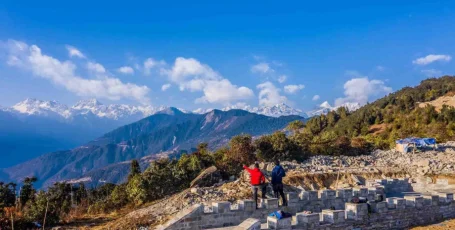
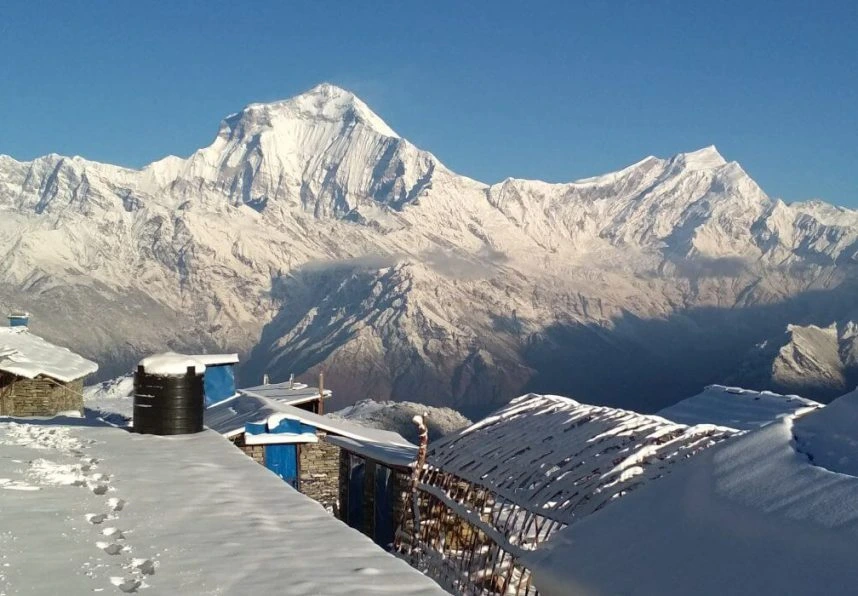
  • Upon reaching Khopra Ridge (Khopra Danda), be rewarded with spectacular sunrise and sunset views, along with close-up vistas of towering Himalayan peaks.
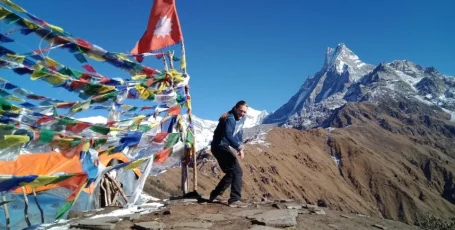
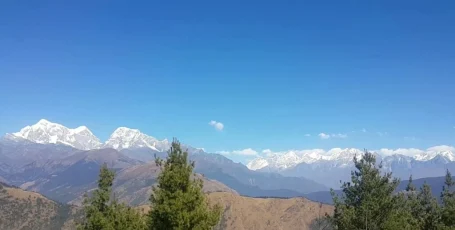
  • Soak in the panoramic views of iconic snow-capped mountains such as Dhaulagiri, Annapurna, and Machhapuchhre.

Overview

Khopra Danda Trek, also known as the Khopra Ridge Trek, is a rewarding yet less-commercialized trekking route nestled in the Annapurna region of Nepal. This journey offers a blend of vibrant cultures, scenic landscapes, and awe-inspiring natural beauty.

The trek begins from Nayapul, located about an hour’s drive from the picturesque city of Pokhara. The trail leads you through lush forests, terraced fields, and serene villages, showcasing the rural charm of Nepal.

As the trek ascends in altitude, stunning Himalayan peaks come into view. You’ll be greeted by majestic mountains including Annapurna, Dhaulagiri, and Nilgiri.

One of the key highlights of the trek is reaching Khopra Ridge, situated at an altitude of 3,660 meters. From here, you’ll enjoy panoramic views of snow-clad giants like Machhapuchhre, Annapurna, and Nilgiri—a sight truly worth the climb.

Another major attraction is Khayer Lake, located beneath the southern face of Annapurna. This sacred alpine lake is revered in Hindu culture and offers breathtaking views—especially when the reflection of Mt. Annapurna shimmers on its still surface.

Throughout the trek, you’ll have the chance to engage with the local Magar community, learning about their traditions and lifestyle. Their warm hospitality and organic home-cooked meals offer a unique cultural immersion.

Whether you’re a seasoned trekker or a beginner seeking authentic mountain experiences, the Khopra Danda Trek is a fantastic choice. The best times to visit are during spring and autumn, when the weather is clear and the views are at their best.

In essence, the Khopra Danda Trek is one of the most enriching trekking routes in the Annapurna region—offering stunning landscapes, cultural encounters, and a peaceful, less-crowded trail.

Khopra Danda Trek Cost

When planning an adventure in Nepal’s majestic high mountains, having a well-structured budget plan is essential. For most trekkers, cost is a primary concern when preparing for such a journey. Proper financial planning ensures a smoother and more enjoyable trekking experience.

Here are the key expense categories to consider when organizing your Khopra Danda Trek:

  1. Accommodation (Hotels and Resorts):
    At the beginning and end of your trek, you’ll likely stay in comfortable hotels in Kathmandu and Pokhara. The rest of your trip will be spent in basic lodges or tea houses along the trail in the mountain regions.
  2. Nepal Visa Fee:
    To enter Nepal, all foreign travelers require a tourist visa. You can obtain a visa upon arrival at Tribhuvan International Airport in Kathmandu. The visa fees are as follows:
    • $15 for 15 days
    • $30 for 30 days
    • $50 for 90 days
  1. Transportation Costs:
    Getting around in Nepal involves a mix of road and air travel, depending on your destination. While some regions are accessible by domestic flights, others require long jeep or bus rides. Transport expenses vary based on the mode of transport, distance, and vehicle type used.
  2. Guide and Porter Services:
    Since the Khopra Danda Trek is a relatively new and less-commercialized route in the Annapurna region, hiring an experienced guide is highly recommended. A porter can also be hired to help carry your gear, making the trek more comfortable.
  3. Trekking Permits:
    To trek in this region, you will need two official permits:
    • Annapurna Conservation Area Permit (ACAP)
    • Trekkers’ Information Management System (TIMS) Card

These permits help manage and conserve the trekking areas and ensure your safety during the journey.

Khopra Danda Trek Permits

Before starting your Khopra Danda Trek in the Annapurna region of Nepal, it is mandatory to obtain two essential permits: the Annapurna Conservation Area Permit (ACAP) and the Trekkers’ Information Management System (TIMS) Card. These permits are not only legal requirements but also contribute to the preservation of the rich biodiversity and wildlife within the Annapurna Conservation Area.

Required Permits for Khopra Danda Trek:

  1. Annapurna Conservation Area Permit (ACAP):
    The ACAP is required for entry into the Annapurna Conservation Area. Every trekker heading to Khopra Danda or any trekking route in the Annapurna region must carry this permit throughout the journey.

You can obtain the ACAP permit from the Nepal Tourism Board (NTB) office in Kathmandu or Pokhara. It’s important to keep the permit with you at all times, as checkpoints along the trail may request to see it.

  1. Trekkers’ Information Management System (TIMS) Card:
    The TIMS Card is another essential document for trekking in Nepal. It helps the authorities maintain records of trekkers and ensures their safety throughout the journey. The card contains personal details such as your name, nationality, age, gender, and trekking route.

Like the ACAP, the TIMS Card can be obtained from the Nepal Tourism Board offices in Kathmandu or Pokhara.

Khopra Danda Trek Attractions

Mulde Viewpoint

Perched at an altitude of 3,737 meters, Mulde Viewpoint offers breathtaking panoramic views of the snow-covered Himalayan giants, including Annapurna, Dhaulagiri, Nilgiri, and Machhapuchhre. Just a short 30–45 minute hike from Dobato, this viewpoint is a perfect spot to witness mesmerizing sunrises and sunsets, making it a must-visit along the trek.

Khopra Ridge (Khopra Danda)

The crown jewel of the Khopra Danda Trek, Khopra Ridge lies at an elevation of 3,660 meters above sea level. It rewards trekkers with a 360-degree panoramic view of towering peaks like Annapurna, Machhapuchhre, and Nilgiri. Despite the challenges along the trail, reaching the top of Khopra Ridge makes every step worthwhile with its stunning vistas and peaceful atmosphere.

Mohare Hill (Mohare Danda)

Also known as Mohare Danda, this serene hilltop sits at 3,300 meters above sea level and is quickly becoming a popular spot for trekkers exploring the Annapurna region. From here, you’re treated to impressive views of the Annapurna, Machhapuchhre, and Dhaulagiri ranges. Especially during the spring season, the trail to Mohare Hill comes alive with blooming wildflowers, adding to its charm and appeal.

Khayer Lake

Located at a soaring altitude of 4,665 meters, Khayer Lake lies beneath the magnificent Annapurna range. Revered as a sacred site in Hindu culture, this alpine lake attracts a significant number of both domestic and international trekkers. Its peaceful surroundings and the reflection of the towering peaks on its surface make it a truly spiritual and scenic destination on the Khopra Danda Trek.

Khopra Danda Trek Map

The lesser-known Khopra Danda Trek begins with a scenic drive from Nayapul to Ghandruk, a charming Gurung village nestled in the Annapurna region of Nepal.

From Ghandruk, the trek continues towards Tadapani, followed by a hike to Dobato, a key highlight of the route where trekkers can hike up to the viewpoint for stunning Himalayan panoramas.

The trail then leads you through Chistibung, a traditional Magar village, before ascending to the breathtaking Khopra Danda (Khopra Ridge).

After soaking in the views, the journey continues with a hike to Khayer Lake, situated beneath Annapurna South—a sacred and serene destination. After exploring the lake, you’ll return to Khopra Danda and descend toward Swanta Village.

The trail then connects to Ghorepani, and the next morning, a short hike takes you to the iconic Poon Hill, renowned for its sunrise views over the Himalayas. The final stretch of the trek descends to Tikhedhunga, from where you’ll drive back to the beautiful lakeside city of Pokhara.

Best Time to Trek Khopra Danda

The ideal times to trek in Nepal’s high Himalayas, including the Khopra Danda Trek, are during the Spring (March to May) and Autumn (September to November) seasons. These periods offer the most favorable weather conditions and the most breathtaking mountain views.

Spring Season (March to May)

Spring, spanning from March to May, is one of the most beautiful times to trek in Nepal. During this season, the forests come alive with vibrant blossoms, especially rhododendrons, and the natural surroundings are at their most colorful. You’ll also have the chance to spot various bird species, wildlife, and alpine flora unique to the Annapurna region.

The weather during spring is pleasantly warm, with mild temperatures and minimal snowfall at higher altitudes, making trekking both comfortable and scenic. These ideal conditions also attract mountaineers and expedition groups, particularly those aiming to summit peaks like Annapurna, Everest, and Manaslu.

Autumn Season (September to November)

Autumn, from September to November, is considered the peak trekking season in Nepal. The weather is crisp and clear, offering spectacular views of snow-capped peaks under deep blue skies. The mountains reveal their full grandeur without the obstruction of clouds, creating perfect photography moments and awe-inspiring scenery.

With no rainfall and dry trails, trekking becomes easier and more enjoyable. The trails are lively, often filled with international trekkers, creating a vibrant and multicultural trekking atmosphere.

In addition, this season coincides with Nepal’s biggest festivals—Dashain and Tihar. As you pass through villages during your trek, you may have the unique opportunity to celebrate with local communities, experiencing authentic Nepali culture and traditions firsthand.

Elevation and Distance

The Khopra Danda Trek covers a trekking distance of approximately 60 to 70 kilometers, not including any driving or flight segments. The trek features a remarkable range of elevations, beginning in the lush lowlands of Pokhara (820m / 2,690 ft) and reaching up to the stunning Khayer Lake at 4,660 meters (15,289 ft)—the highest point on the route. This gradual ascent takes you through diverse landscapes, from terraced hills to alpine meadows.

The significant elevation gain adds a sense of adventure but also requires awareness of acclimatization. Key altitude milestones include Tadapani (2,730m), Dobato (3,350m), and the scenic highlight Khopra Danda (3,660m). When approached at a steady pace, these elevations are manageable for most trekkers with moderate fitness.

The Khayer Lake hike is the trek’s most demanding segment, taking you to the highest altitude while rewarding you with breathtaking views of the Annapurna and Dhaulagiri ranges. Although the trail features notable altitude changes, the itinerary is carefully planned to support gradual acclimatization, making the Khopra Danda Trek one of the most rewarding and accessible short treks in Nepal.

Difficulty and Altitude Sickness

The Khopra Danda Trek is considered a moderate-level trek, making it suitable even for those with basic fitness and limited hiking experience. Each day involves walking for around 4 to 7 hours through a mix of ridges, forests, and stone steps, with the altitude gradually increasing along the way.

The most demanding part of the journey is the hike to Khayer Lake (4,660m), as it combines high elevation with a longer walking distance. Though the trail remains peaceful and uncrowded, some sections can be steep or rocky, requiring a good level of endurance and balance.

Altitude sickness can become a concern above 3,000 meters, with symptoms like headache, fatigue, or nausea potentially arising if the ascent is too fast. Thankfully, the itinerary is designed with gradual altitude gain and acclimatization stops at places like Tadapani and Dobato, allowing trekkers to adjust safely.

To minimize altitude-related risks, trekkers should stay well-hydrated, ascend slowly, and avoid alcohol. With the right precautions, the Khopra Danda Trek remains a safe and highly enjoyable Himalayan adventure.

Maximum and minimum walk per day

The longest and most demanding day on the Khopra Danda Trek is Day 7, when trekkers hike from Khopra Danda to Khayer Lake (4,660m) and return, taking approximately 8 to 9 hours. This day is particularly challenging due to the high altitude and rugged terrain.

In contrast, Day 6 is the shortest trekking day, involving about 3 hours of walking from Chistibung to Khopra Danda. This shorter day allows extra time for rest and acclimatization before the strenuous hike to Khayer Lake.

Guides typically cover around 5 to 6 hours of walking each day, with daily trails ranging from gentle forest paths to more strenuous ridge climbs. The itinerary is carefully designed to balance easier and tougher days, helping trekkers gradually adapt to the increasing altitude.

To make the most of each day on the Khopra Danda Trek, it’s important to prioritize rest, hydration, and a steady pace.

Food and Drink during the Trek

The Khopra Danda Trek package includes breakfast, lunch, and dinner. Typical breakfasts feature items like Tibetan bread, pancakes, porridge, muesli, omelets, eggs, and tea or coffee. For lunch and dinner, common dishes include Dal Bhat (rice, lentils, and vegetables), fried rice, noodles, pasta, momos (dumplings), and soups, all freshly prepared at nearby tea houses along the route.

Hot beverages such as black tea, milk tea, and coffee are served with lunch and dinner, helping trekkers stay warm and hydrated at high altitudes.

While these main meals are included, any additional snacks or drinks—including bottled water, soft drinks, or alcohol—must be purchased separately. Along the trail, tea houses and small shops offer extra food and beverages, though prices tend to increase with altitude due to transportation challenges. It’s advisable to budget accordingly for these extras.

Alternative Routes

The Khopra Danda Trek offers several alternative routes to suit different timeframes and interests. A popular choice is the Mohare Danda–Khopra Danda Trek, which covers two scenic ridges, delivering stunning Himalayan views along with rich cultural experiences.

This route passes through community-run lodges in villages like Nangi and Mohare, supporting local development and providing an authentic glimpse into village life.

For those with limited time, a shorter 5- to 7-day trek is available, beginning and ending in Pokhara. This option skips the hike to Khayer Lake but still includes highlights such as the Mulde Viewpoint and Khopra Ridge.

Adventure seekers may prefer a less-traveled path starting from Beni or Galeshwor, winding through villages like Baskharka and Nangi. This route offers greater cultural immersion and fewer fellow trekkers.

The trek can also be extended by adding the Mardi Himal, creating a 14-day journey that explores diverse landscapes and scenic vistas.

These flexible route options allow trekkers to customize their adventure based on available time, fitness, and interests in either nature or cultural encounters.

Can a beginner join this trek?

Beginners can definitely undertake the Khopra Danda Trek with some basic preparation. The trek is moderately challenging and doesn’t require technical climbing skills, but it does involve walking 5 to 7 hours daily on uneven terrain with steady altitude gain.

The highest overnight stop is at Khopra Danda (3,660 meters), while the optional hike to Khayer Lake (4,660 meters) is the most strenuous part of the trek.

For newcomers, maintaining a slow and steady pace, staying well-hydrated, and taking ample rest are key to preventing altitude sickness. The itinerary allows for gradual acclimatization, and comfortable teahouses along the route provide warm meals and restful overnight stays.

Preparation and Fitness

Proper preparation and good health are key to completing the Khopra Danda Trek comfortably. While the trek is moderate in difficulty, it requires walking 5 to 7 hours daily on uneven terrain that includes both ascents and descents.

Engaging in cardiovascular exercises such as running, walking, cycling, or swimming for at least 4 to 6 weeks before the trek will help build stamina. Incorporating strength training focused on the legs, back, and core will improve endurance and balance.

Practicing with a daypack while walking will help you get used to carrying your gear. Mental readiness is equally important—maintaining a positive mindset, patience, and adaptability to changing weather will enhance your overall experience.

Be sure to pack essentials like sturdy hiking boots, warm layers, trekking poles, and a refillable water bottle. Although prior trekking experience isn’t required, having a reasonable level of fitness will make the journey more enjoyable. With the right attitude and physical conditioning, the Khopra Danda Trek is accessible to most nature lovers.

Recharging of gadgets, Internet, and communication

Staying connected and charging your devices on the Khopra Danda Trek is possible but requires some preparation.

Most lodges and teahouses along the route offer charging services for electronics like phones and cameras, typically costing between NPR 100 to 300 per hour. Since electricity is usually generated via solar panels and may be limited—especially at higher altitudes—it’s wise to bring a power bank or solar charger as a backup.

Wi-Fi is available in many lodges but tends to be slow and unreliable, particularly further up the trail. It usually comes at an extra cost, and service quality can vary. For communication, purchasing a Nepalese SIM card (such as NTC or Ncell) is recommended, providing mobile data and voice service. However, signal strength decreases as you ascend higher.

In emergencies, teahouses can assist by contacting local authorities or arranging help.

While connectivity options exist on the trek, it’s important to have realistic expectations about their reliability. Conserve your device battery and plan your communication needs accordingly.

Insurance

Insurance is mandatory for the Khopra Danda Trek. While some trekking agencies may not strictly enforce this, both the government and reputable operators strongly recommend having comprehensive coverage due to the risks involved with trekking at high altitudes.

Your insurance policy should cover crucial aspects to ensure your safety and peace of mind. This includes medical expenses for altitude sickness, accidents, and illnesses—vital given the limited medical facilities along the trail. Emergency evacuation coverage is essential, particularly helicopter rescue up to at least 4,000 meters, as Khopra Danda sits at 3,660 meters elevation.

Additionally, the policy should provide protection against trip cancellations or interruptions caused by illness, weather, or other unforeseen events. Coverage for theft or loss of personal belongings, especially valuable trekking gear, is also important.

What to Expect?

The Khopra Danda Trek offers a perfect blend of stunning natural beauty, rich cultural experiences, and spectacular Himalayan views. Unlike busier routes like the Annapurna Base Camp trek, it features quieter trails, making it ideal for travelers seeking solitude and off-the-beaten-path adventures.

The journey takes you through lush rhododendron and oak forests, traditional Magar and Gurung villages, and pristine alpine landscapes.

From the vantage point of Khopra Ridge, you’ll be treated to awe-inspiring close-up panoramas of peaks such as Annapurna South, Dhaulagiri, Nilgiri, and others. A standout highlight is the trek to Khayer Lake, a sacred high-altitude lake nestled among snow-capped mountains.

Accommodation is basic yet comfortable, with welcoming teahouses offering hearty, nutritious meals. The trek itself is non-technical but involves some steep ascents and descents, so a moderate fitness level is recommended.

Expect changing weather conditions, opportunities to spot local wildlife, and the tranquil pace of life on the trail. Overall, the Khopra Danda Trek promises a rewarding mix of adventure, serenity, and breathtaking mountain vistas.

Khopra Danda Trek Cost

When planning an adventure in Nepal’s high mountains, it’s important to prepare a budget that suits your needs. Cost is often the first consideration for trekkers embarking on such journeys.

Here are key expenses to keep in mind for the Khopra Danda Trek:

Accommodation: On the first and last days of your itinerary, you’ll stay in hotels in Kathmandu and Pokhara. During the trekking days, accommodation will be in mountain lodges or tea houses. Hotel prices typically range from NPR 2,000 to NPR 5,000 per night during the trek.

Nepal Visa Fee: A visa is required to enter Nepal and can be obtained on arrival at Tribhuvan International Airport. The cost is $15 for 30 days, $30 for 45 days, and $50 for 90 days for a tourist visa.

Transportation: Traveling within Nepal involves a mix of air and road transport, depending on the destination. Transport costs vary based on the mode of travel and the locations visited.

Guide and Porter: Since the Khopra Danda Trek is a relatively new and less commercialized route in the Annapurna region, hiring a guide is recommended. Guide fees generally range from NPR 2,500 to NPR 3,500 per day.

Permits: You will need to obtain the Annapurna Conservation Area Permit (ACAP) and the Trekkers’ Information Management System (TIMS) card, which together cost around NPR 2,000 per person.

Khopra Danda Trek Accommodation

During the Khopra Danda Trek, accommodation is provided in teahouses and lodges along the route, which are primarily constructed from wood and stone.

Rooms are generally shared, and bathrooms are communal. However, some lodges may offer private bathrooms depending on availability and preference.

Wi-Fi is available in many lodges for an additional fee. While trekking, you can enjoy traditional local cuisine served at the lodge restaurants.

Common dishes include Dal Bhat, fried rice, chowmein, and fried potatoes. You can select meals according to your preference, but it’s a good idea to discuss your choices with your guide beforehand.

Outline Itinerary of Khopra Danda Trek – 11 Days

Day 01: Arrival in Kathmandu and Transfer to your hotel 1300 m

Day 02: From Kathmandu Drive/Fly to Pokhara 820m

Day 03: Drive From Pokhara to Ghandruk (1920m) and Trek to Tadapani. (4 hours approx.) 2730m

Day 04: Trek from Tadapani to Dobato (3350m, 6-7 hours approx.) 3350m

Day 05: Hike to Mulde View Point (3637 meters), Dobato to Chistibung (5 hours approx.) 3000m

Day 06: Chistibung to Khopra danda(3,660m, 3 hours)

Day 07: Khopra danda to Khayer Lake (4660m) and back to Khopra Danda, 8 to 9 Hours

Day 08: Trek from Khopra Danda to Swanta Village (5-6 hours approx.) 2214m

Day 09: Swanta Trek to Ghorepani Poon hill (4-5 hours) 2880m

Day 10: Trek to Poon Hill, Trek Down to Tikhedhunga, and Drive to Pokhara 820m

Day 11: Pokhara Drive /Flight to Kathmandu

What's included

  • Pick-up & drop service from the airport on arrival and departure days
  • 3 nights’ stay at a tourist-standard hotel in Kathmandu
  • Government-registered, English-speaking trekking guide
  • Assistant guide provided for groups larger than six trekkers
  • One porter for every two clients for luggage support
  • All meals (Breakfast, Lunch, and Dinner) included during the trek
  • Twin-sharing accommodation along the trekking route
  • Trekking permits including ACAP and TIMS Card
  • Trekking map for route guidance
  • All ground transportation as per the itinerary
  • Staff wages, insurance, meals, accommodation, equipment, and transport
  • Emergency rescue arrangements (Note: Trekkers must have valid medical insurance)
  • Government tax, VAT, and agency service charges
  • Certificate of Achievement at the end of the trek

What's not included

  • International airfare to and from Nepal
  • Nepal visa fees (obtainable on arrival)
  • All beverages during the trip (including tea, coffee, soft drinks, beer, and bottled water)
  • Personal expenses such as laundry, snacks, and souvenirs
  • Smoking-related expenses
  • Travel insurance, including coverage for emergency evacuation
  • Extra nights in Kathmandu beyond the included 3-night stay
  • Meals in Kathmandu (lunch and dinner not included)
  • Hot showers at tea houses during the trek
  • Charges for battery or camera charging at lodges
  • Any unforeseen costs due to natural disasters, political unrest, or flight delays
  • Additional expenses if returning early from the trek
  • Tips for guides, porters, and support staff (optional but appreciated)

Detailed Itinerary

  • Day 01: Arrival in Kathmandu (1,300m)

    Arrive in the vibrant capital city of Nepal. You’ll be warmly welcomed at Tribhuvan International Airport and transferred to your hotel. Enjoy some rest or explore nearby streets, markets, and temples, soaking in the cultural essence of Kathmandu before your mountain adventure begins.

  • Day 02: Drive/Fly to Pokhara (820m)

    Take a scenic drive or a short flight to Pokhara, the gateway to the Annapurna region. Enjoy beautiful views of hills, rivers, and villages en route. Upon arrival, explore the lakeside town, with optional boating on Phewa Lake and visits to local cafes or viewpoints.

  • Day 03: Drive to Ghandruk (1,920m) & Trek to Tadapani (2,730m)

    Drive to the picturesque Gurung village of Ghandruk and begin your trek toward Tadapani. The trail ascends through rhododendron forests, offering glimpses of Annapurna and Machhapuchhre. Reach Tadapani by late afternoon and enjoy the serene mountain atmosphere and traditional hospitality.

  • Day 04: Trek from Tadapani to Dobato (3,350m)

    Embark on a scenic trek through dense forests and quiet trails, gradually gaining altitude. Reach Dobato, a peaceful stop nestled in nature. The area offers stunning views of the Annapurna and Dhaulagiri ranges, especially at sunset. Rest overnight and prepare for the next day's viewpoint hike.

  • Day 05: Hike to Mulde Viewpoint (3,637m), Trek to Chistibung (3,000m)

    Rise early for a sunrise hike to Mulde Viewpoint, offering breathtaking panoramic views of snow-capped peaks. After enjoying the scenery, descend to Dobato for breakfast and continue trekking to Chistibung. The trail passes through forested hills and scattered Magar settlements.

  • Day 06: Trek from Chistibung to Khopra Danda (3,660m)

    A relatively short but steady climb leads you to the magnificent Khopra Ridge. Enjoy uninterrupted 360-degree views of towering mountains including Dhaulagiri and Annapurna. The ridge offers one of the most rewarding viewpoints in the region. Relax and acclimatize for the next day’s adventure.

  • Day 07: Hike to Khayer Lake (4,660m) and Return to Khopra Danda

    Embark on a long yet rewarding journey to the sacred Khayer Lake, nestled beneath Annapurna South. The trail offers solitude, stunning views, and spiritual serenity. After spending time by the holy lake, return to Khopra Danda for an overnight stay and well-deserved rest.

  • Day 08: Trek from Khopra Danda to Swanta Village (2,214m)

    Descend through alpine pastures and forested trails toward Swanta, a charming local village. Along the way, you’ll pass small settlements and terraced farmlands. Enjoy the local culture, interact with villagers, and experience their warm hospitality in this peaceful stopover.

  • Day 09: Trek from Swanta to Ghorepani (2,880m)

    Continue your journey through forests and stone-paved trails, gradually ascending to Ghorepani. This village is a popular stop on the Annapurna Circuit and offers excellent views of surrounding peaks. Prepare for an early morning hike to Poon Hill for a sunrise experience.

  • Day 10: Hike to Poon Hill, Trek to Tikhedhunga & Drive to Pokhara

    Begin early with a short hike to Poon Hill, one of Nepal’s most famous viewpoints. After enjoying the sunrise over the Himalayas, descend to Tikhedhunga. From there, a vehicle will take you back to Pokhara, where you can relax and celebrate the trek's completion.

  • Day 11: Drive or Fly back to Kathmandu

    Return to Kathmandu via a scenic drive or a short flight. Upon arrival, transfer to your hotel and enjoy some free time for souvenir shopping, cultural tours, or relaxation. Reflect on your unforgettable journey through the heart of the Annapurna region.

FAQs of Khopra Danda Trek – 11 Days | コプラダンダトレッキング11日間

  • What is the best time to do the Khopra Danda Trek?

    The ideal seasons for the trek are spring (March to May) and autumn (September to November) when the weather is stable and the mountain views are clear.
  • Do I need a permit for the Khopra Danda Trek?

    Yes, trekkers must obtain the Annapurna Conservation Area Permit (ACAP) and the Trekkers’ Information Management System (TIMS) card before starting the trek.
  • Is the Khopra Danda Trek suitable for beginners?

    Yes, the trek is moderate and suitable for beginners with basic fitness and some preparation, although the hike to Khayer Lake is more challenging.
  • What kind of accommodation can I expect during the trek?

    Accommodation is in teahouses and lodges along the trail, usually with shared rooms and communal bathrooms. Some lodges may offer private bathrooms.
  • Are meals included on the Khopra Danda Trek?

    Yes, breakfast, lunch, and dinner are typically included and consist of local dishes such as Dal Bhat, fried rice, and momos. Additional snacks and drinks are available for purchase.

What Other Travellers' Say

Trip You May Like

Lorem ipsum dolor sit amet, consectetur adipisicing elit, sed do eiusmod tempor incididunt ut labore et dolore magna aliqua. Ut enim

Our Affiliations

We are proudly affilliated with following organizations.

Planning a Trip?

Our travel experts who are working in this industry for more than a decade will help you. Consult to get started.

Meet Our Travel Expert

Roshan Thapa
Nepal, Tibet and Bhutan

If you're planning a trip to Nepal, Roshan can assist you in creating the perfect itinerary. With over 7 years of experience in the travel industry, he is well-equipped to help you plan an unforgettable journey.


Call us, we're at your service +819092666070