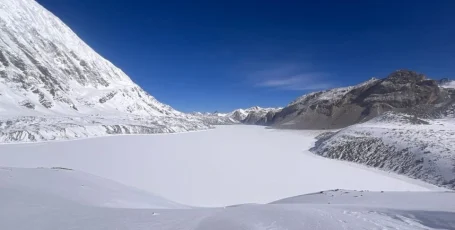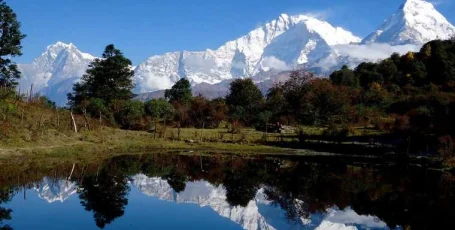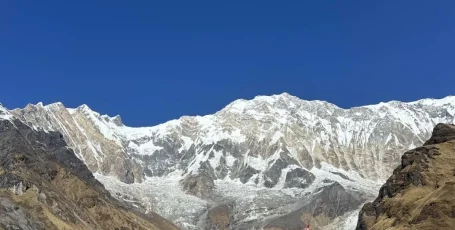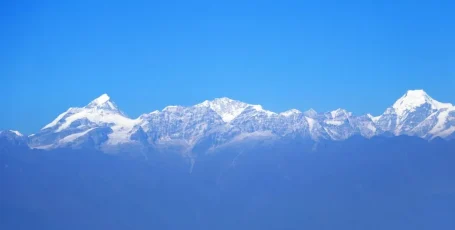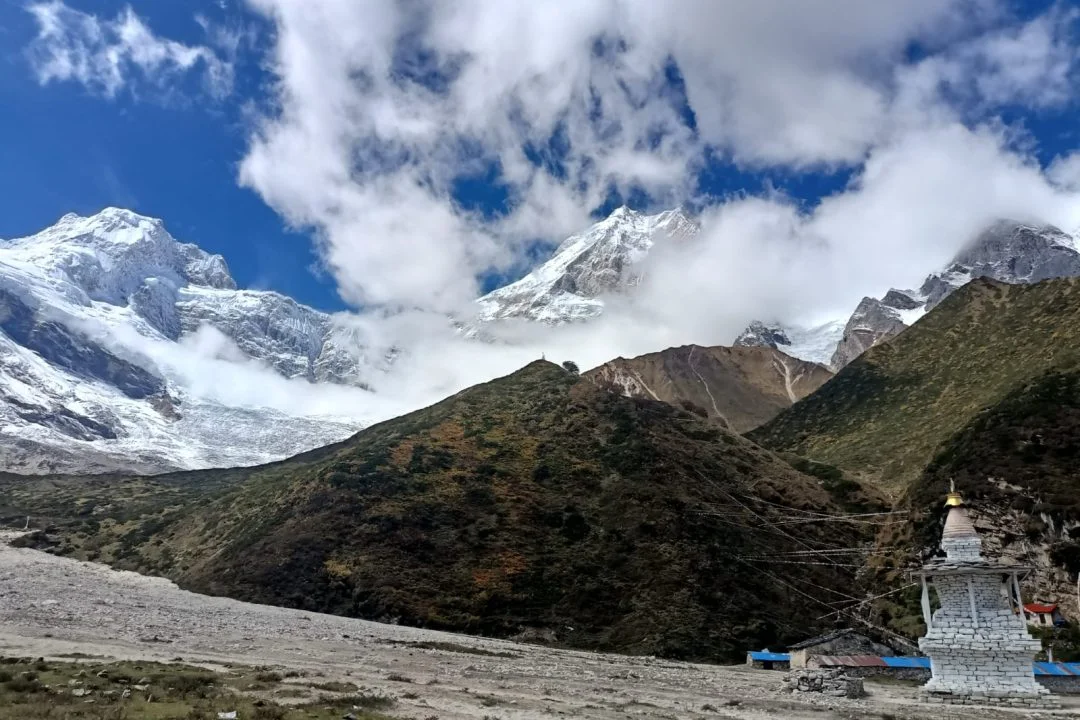
Tsum Valley is one of the most exceptional and naturally blessed places, offering visitors the opportunity to explore and understand nearly isolated social life beneath the Himalayan Region of Western Nepal in Gorkha District. The valley experienced disturbances during the series of earthquakes in 2015 but made a remarkable recovery with the essential infrastructures to accommodate trekkers and visitors. This location can be the ideal destination for those seeking serene peace far removed from the bustling and chaotic life of the city. The rich heritage and tranquil landscape of Tsum Valley enhance the value of the peace and tranquility it provides.
“Tsum” is the Tibetan word meaning vivid just like the serene views of Ganesh Himal, Sringi Himal, and Boudha Mountain range. Tsum Valley is ideally suited for peace seekers looking for unparalleled natural beauty and its cultural importance.
The Tsum Valley has been home to Buddhist monasteries, chariots, and unique customs and traditions for centuries. It has never been overrun by outside forces and has therefore successfully preserved the distinctiveness of the Buddhist culture. The residents of Tsum Valley are well known as Tsumbas. The remarkable history of Tibetan culture combines with the serene and breathtaking beauty of Ganesh Himal, Kailash Himal, and the Valley itself, ensuring that Tsum Valley offers you an ideal opportunity to experience the natural brilliance and cultural heritage to its fullest.
During the trek through Tsum Valley, we will traverse the lush green vegetation of Nepal’s hilly regions to the stunning beauty of the upper Himalayas, including Ganesh Himal and Manaslu. The rhododendron forests, populated with diverse wildlife such as boar, Himalayan leopards, and Danfe (Lophophorus), the national bird of Nepal, alongside the banks of the Budhi Gandaki River, will provide you with a peaceful experience before entering Tsum. Additionally, the monasteries along our route will create a beautiful combination of culture and natural beauty in the region.
Nepal Rykou Treks has crafted this unique itinerary for a special adventure in the lesser-known and explored part of central-northern Nepal.
Explore Living Tibetan Culture.
Tsum Valley has been the residence of Tibetan Culture for many years. It is located in the secluded terrain of the Manaslu region, which has never been conquered by outside forces. Tsum Valley can sustain its culture for an extended period and is gradually being modernized as well. We can appreciate and witness the magnificent Tibetan Culture right before us and engage with the heritage of the culture. If we arrive in Tsum Valley during the festival season, we can partake in the festivities alongside the locals to immerse ourselves in the cultural experience.
Meet Tsumpas
The Tsumpas, the inhabitants of the Tsum Valley, are the living embodiment of the historical and cultural importance of Tsum Valley’s traditions. We will delve into the culture and practices they have maintained throughout the centuries. The people enjoy sharing their historical experiences and displaying their folk traditions. This will allow every visitor to discover the untouched, serene culture and lifestyle of the Tsumpas from an intimate viewpoint.
Ganesh Himal Base Camp
The unparalleled beauty of the trek to Tsum Valley is found at the Ganesh Himal Base Camp. Positioned at an elevation of approximately 4200 meters above sea level, Base Camp provides stunning views of all four mountains of the Ganesh Himal Range. Each of these peaks rises over 7000 meters. Trekkers will immerse themselves in the flora, fauna, and ethnic cultures of local Tsums, Gumbas, caves, and monasteries during the brief hike to Ganesh Himal Base Camp. Ganesh Himal Base Camp is a blend of incredible vistas and wilderness in nature. Trekkers will indulge in the natural tranquility of the Himalayan region of Nepal.
Gumba Lungdang
Gumba Lungdang is a Buddhist monastery located at an altitude of about 3200 meters above sea level. It is also referred to as the heart of Tsum. The monastery offers locals and trekkers various cultural and historical themes as well as the significance of the ancient Tibetan Culture. The distinctiveness of the Buddhist faith is fully displayed in Gumba Longdang. Nestled amid the breathtaking mountain landscape of the Tsum Valley trekking route, the monastery provides a peaceful and spiritually enriching experience with its intricate artwork, statues, and religious artifacts.
Less Discovered Valley of Tsum
The Tsum Valley is a hidden treasure of Nepal. The valley remains relatively unvisited and uncelebrated, allowing the authenticity and folklore of the Valley to be evident. The cultural display and the secluded lifestyle, combined with natural beauty, is an experience one should not miss when exploring Nepal. One of the highlights of Tsum Valley is the ethnicity and humility of its residents, along with their warm hospitality towards visitors. The scenic landscapes and the calmness of nature merging with the generosity of the locals will create a perfect experience for any trekker. Monasteries, chariots, Mani walls, and colorful flags will enhance the beauty of Tsum along the way.
Buddhist Sacred Caves and Monasteries
Every monastery and cave encountered during the trek to the Tsum Valley holds its own significance and history. Rachen Gompa, Mu Gompa, and Gumba Longdang are emblematic of what Tibetan Buddhism embodies. They all embody the Buddhist art, scriptures, and prayer halls which provide a spiritual experience to the visitor. Along the way, we will come across Milarepa’s Cave linked to the renowned Tibetan Monk Milarepa. Amid the grand views of the Himalayan ranges, the caves and monasteries enhance the beauty of the Tsum Valley.
Tsum Valley Trek Ideal Time, Season, Months
Tsum Valley is situated in the western section of Nepal and has an elevation of 4200 meters above sea level. It greets trekkers with the breathtaking beauty of the Himalayas combined with the isolated Tibetan culture of the Tsumpas. Trekkers are presented with various experiences throughout all seasons, but we suggest selecting the Spring and Autumn Seasons to witness the best of Tsum Valley along with Tsumpas joyfully celebrating their festivals in traditional ways. The climate and temperature during these seasons will be optimal for enjoying nature, and the festivals that take place during this period will enhance the thrilling trekking adventure in the Valley.
Spring Season (Mar-May):
Following winter, this season is referred to as the time of greenery and joy in Nepal. The temperature begins to rise, and the days become noticeably longer. The sky will be clear, allowing you to appreciate every moment in Tsum amidst natural beauty and vegetation. Lhosar also takes place during this season in early March, so you will be immersed in the festive spirit of the Buddhists. Should you wish, the Tsumpas will be delighted to share and celebrate the festival with you. The interaction and experience will be incomparable and unforgettable for a lifetime.
Autumn Season (Sep-Nov):
The Autumn Season is the ideal time to visit Nepal and all its destinations. The highest number of tourists arrive in Nepal during this season. As the monsoon clears in mid-September, the major festivals of Nepal, namely Dashain and Tihar, take place. This period will also be a holiday season in Nepal. Thus, the experience gained from trekking to Tsum and other locations will be unmatched. We will be surrounded by mountains, and the views will be as breathtaking as possible. Since this is both a holiday and tourism season in Nepal, expect to encounter and interact with many fellow trekkers as well.
You can explore the Tsum Valley during the Monsoon and winter months as well, but there will be drawbacks for you. Heavy rain may spoil the adventure during the monsoon, and in a similar vein, snowfall may occur throughout the winter days. The climate is always unpredictable in the mountains during the off-season.
Manaslu Tsum Valley Trek Permit Cost
Two distinct permits will be necessary to enter the Tsum Valley as a foreign national. Both permits are readily attainable. You will need to obtain the Tsum Valley Permit and the Manaslu Conservation Area Permit.
The Tsum Valley Permit will cost you USD 40 for the initial eight days and an extra USD 7 for each day you remain in the Tsum Valley area. Therefore, for a 13-day trek to the Tsum Valley, you should spend USD 82 to acquire a Tsum Valley Permit. Similarly, the Manaslu Conservation Area Permit (MCAP) costs NPR 2000 (USD 15) for your entire journey.
Nepal Ryokou Treks will organize all the permits necessary for the Tsum Valley trek and additional locations as well.
Difficulty Level of Manaslu and Tsum Valley Trek
The Tsum Valley trek is a moderately challenging trekking area. During the trek through the lower hills, ascending the hill will be quite straightforward. However, the terrain becomes more challenging as you ascend higher into the hills. There is a rugged and unpaved path littered with stones along the way. Nevertheless, most of the trail is sufficiently maintained for easy walking. Ensure that you have strong legs for the descent, as walking downhill can be taxing and tiring. There should be no worries or risks of injury during the trek as long as you have assistance in the tougher sections.
Altitude Sickness and prevention in Manaslu Tsum Valley Trek
The Tsum Valley Trek ascends to 4200 meters above sea level. At that elevation, you may not encounter significant issues with altitude sickness; however, some trekkers may experience symptoms of altitude sickness. Nepal Ryokou Treks suggests that its esteemed guests be well-equipped to mitigate the effects of altitude sickness.
You can ready your body by engaging in cardiovascular exercises and consuming nutrients such as vitamins and protein at home. Light training at the gym and short hikes in your locality also contribute significantly to your preparation. It is essential to be mentally prepared for the trek before becoming physically ready. The guides from Nepal Ryokou Treks will provide you with all the support you need during your trek.
Food on Tsum Valley Trek
Tsum Valley, as an ethnic Buddhist area, is significantly shaped by Tibetan Culture. The cuisine will feature ingredients sourced from local plants such as Barley and Millet. Additionally, you will find standard Nepali food selections like Pulses and rice. You can look forward to meals that offer high nutritional benefits, ensuring you remain energized for your trek at all times.
Water on Tsum Valley Trek
You will find water at each stop. There are natural water sources like rivers and streams along the route where you can easily obtain fresh cold water for yourself as well. If you wish to use boiled water in the hills, the teahouses and rest stops will provide it. Some teahouses may charge you for the hot water, but it is readily accessible.
Travel Insurance for Tsum Valley Trek
Trekking and exploring a new location comes with both unique risks and rewards. You should always be prepared for the potential consequences that may arise during the trek. Nepal Ryokou Treks highly recommends that you acquire travel insurance for yourself. There are numerous travel insurance options available that offer great value for your investment. You can protect yourself from financial repercussions by purchasing travel insurance while traveling in a foreign country.
Tsum Valley Trek Booking Procedure
Nepal Ryokou Treks is available for booking to the Tsum Valley at your convenience. You can simply call or text the provided contact information or directly message the social media accounts of Nepal Ryokou Treks to obtain more details about the trek and our services. You will receive all the detailed information from Nepal Ryokou Treks prior to reserving your spot for Tsum Valley or any other location.
Your adventure commences with a picturesque drive from Kathmandu, traversing through verdant hills, meandering rivers, and terraced farms. The route takes you through Arughat and Soti Khola prior to arriving at Maccha Khola, a quaint village by the riverside. The drive, albeit lengthy, presents breathtaking views of the countryside and the Budhi Gandaki River. Upon reaching, you can explore the area, unwind, and prepare for the trek ahead.
The trek kicks off with a steady ascent along narrow paths, crossing multiple suspension bridges over the Budhi Gandaki River. You will pass through small settlements such as Khorlabesi and Tatopani, where natural hot springs offer a rejuvenating respite. The trail continues through woodlands, ridges, and stone-paved routes leading to Jagat, a delightful Gurung village characterized by stone houses and cultural importance.
Departing from Jagat, the trail gradually rises through lush forests and terraced fields. You’ll pass Philim, a sizeable Gurung village recognized for its agricultural activities and stunning vistas. After crossing the Ekle Bhatti junction, you enter the Tsum Valley region, where the landscape shifts, revealing captivating views of distant snow-covered peaks. The day concludes at Lokpa, the entrance to Tsum Valley, where you can enjoy a tranquil evening in this secluded village.
The path from Lokpa descends into a deep gorge before ascending again through rhododendron and pine forests. The trail is rugged, featuring occasional steep climbs and suspension bridges. As you near Chumling, you will observe traditional Tibetan-style houses and monasteries. Chumling, one of the earliest villages in Tsum Valley, offers stunning views of the Ganesh Himal range and a glimpse into the local Buddhist heritage.
The path steadily ascends through a combination of forests, stone-paved trails, and wooden bridges. You’ll cross the Shiar River and walk by small villages before arriving at Chhokangparo, a beautiful village with awe-inspiring views of Himalchuli and Ganesh Himal. The village is celebrated for its warm hospitality, ancient monasteries, and rich Tibetan Buddhist customs. Here, you can visit local homes, engage with the welcoming villagers, and soak in the peaceful mountain ambiance.
Today’s hike brings you further into the secluded Tsum Valley. The path gradually climbs through desolate terrains, passing by traditional communities like Nile before arriving at Mu Gompa, the trek's highest elevation. Mu Gompa is an important Buddhist monastery, home to monks who engage in ancient practices. The region provides stunning mountain vistas and a feeling of spiritual peace. You can visit the monastery and discover the rich Buddhist traditions of the area.
After appreciating the serene environment of Mu Gompa, you return to Chhokangparo along the same path. The downward trek offers a fresh viewpoint of the valley’s expansive landscapes and impressive peaks. During your journey, you can pause at small chortens, mani walls, and local residences, further immersing yourself in the area’s culture. The day is fairly straightforward, giving you time to relax and take in the stunning scenery before arriving at Chhokangparo.
The trek to Gumba Lungdang represents one of the most spiritual and picturesque sections of the journey. The route meanders through lush pine and rhododendron forests, providing occasional views of the snow-covered summits. When you get to Gumba Lungdang, you will be greeted at a monastery operated by Buddhist nuns. The atmosphere radiates tranquility, and the surrounding mountains enhance its mystical allure. You can engage in evening prayers and meditation, offering a distinctive cultural experience.
An exciting day lies ahead as you tackle a demanding hike to Ganesh Himal Base Camp. The path is steep and challenging but rewards you with expansive views of Ganesh Himal, glaciers, and rugged terrains. After spending time at the base camp, soaking in the breathtaking high-altitude scenery, you descend back to Gumba Lungdang for a well-earned rest. This day promises a genuine high-altitude trekking experience in a remote location.
The descent from Gumba Lungdang is relatively brief but still calls for vigilant footing on the uneven terrain. You follow your route back through thick forests and over suspension bridges before reaching Chumling. The return trip presents more chances to admire the valley’s distinctive landscapes and cultural depth. Once in Chumling, you can unwind, engage with the locals, and enjoy the tranquil environment.
The journey continues downward, traversing terraced fields, riverbanks, and quaint villages. As you descend, the shift from alpine scenery to subtropical landscapes becomes more noticeable. Salleri, a tiny village, signals the approaching conclusion of your trek. Here, you can ponder the remarkable journey through Tsum Valley and relish the comforts in lower-altitude communities.
On the last day of your trek, you will continue to descend through verdant forests and picturesque paths, retracing your route back to Maccha Khola. The hike evokes a nostalgic feeling of accomplishment as you revisit familiar landscapes and communities. Once you arrive at Maccha Khola, you may celebrate the successful completion of your trek with other travelers and locals.
The journey wraps up with a lengthy yet scenic drive back to Kathmandu or Pokhara. The route follows the Budhi Gandaki River, meandering through lush hills and rural areas. Upon reaching your destination, you can unwind and reflect on the extraordinary trip through one of Nepal’s most remote and culturally vibrant trekking regions.
ネパールへの旅行を計画されているなら、ロシャンが完璧な旅程作成をお手伝いします。旅行業界で7年以上の経験を持つ彼は、忘れられない旅の計画を完璧にサポートいたします。