Mohare Danda Trek – 10 Days | モヘレダンダトレッキング10日間
旅行の豆知識
- 間隔 10 日数
- 旅行の難易度 moderate
- 最大。高度 3,313m./10,869ft.
- 開始と終了 Kathmandu - Kathmandu
- ベストタイム March – May & Sept – Nov
- 宿泊施設 Hotel/Tea House
旅行のハイライト
- Explore the vibrant Ghandruk Village, a renowned Gurung settlement famous for its cultural beauty and traditions.
- Trek through the Annapurna Conservation Area and witness rare flora and fauna native to the region.
- Experience the warm hospitality of local people by tasting traditional food and drinks.
- Enjoy breathtaking sunrise views over the Annapurna and Dhaulagiri Himalayan ranges while sipping tea.
- Take part in traditional singing and dancing, and try on the cultural attire of the Gurung community.
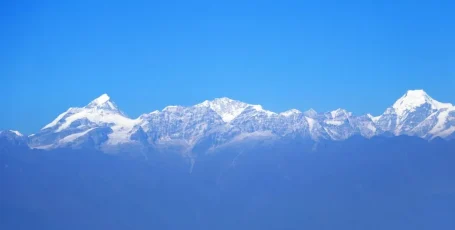
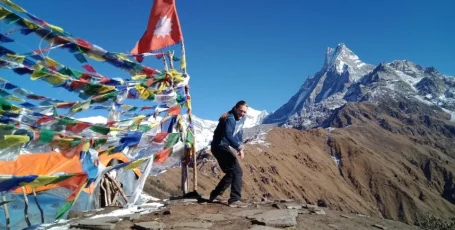
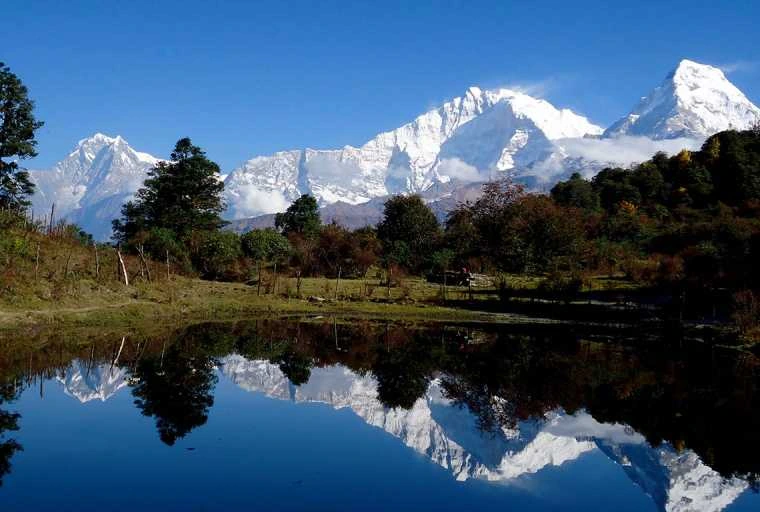
- Admire the stunning views of mountains such as Mt. Fish Tail, Dhaulagiri, Annapurna, Nilgiri, and Himchuli from Mohare Danda.
- Wander through colorful, dense forests filled with Rhododendron—the national flower of Nepal—and other rare plant species.
- Discover the rich traditions and cultures of diverse ethnic groups along the trek.
- Enjoy a Kathmandu Valley tour that includes UNESCO World Heritage Sites like Pashupatinath Temple, Swayambhunath, Boudhanath, and Kathmandu Durbar Square.
Overview
The Mohare Danda Trek is an emerging and less-traveled trekking route in the Annapurna region of Nepal, ideal for nature lovers, beginner trekkers, and those seeking a peaceful cultural experience. Often referred to as the “Eco-Community Lodge Trek,” it emphasizes sustainable tourism and supports local livelihoods through community-managed lodges and homestays. Unlike the crowded trails of Ghorepani or Poon Hill, the Mohare Danda Trek offers a quiet and enriching journey through traditional Magar and Gurung villages, dense rhododendron forests, and peaceful hilltops with sweeping mountain views.
The highlight of the trek is reaching Mohare Danda at an altitude of 3,300 meters, where trekkers are rewarded with a stunning panoramic sunrise over the Annapurna and Dhaulagiri ranges, including peaks like Machhapuchhre (Fishtail), Nilgiri, and Himchuli. The sunrise here is often described as one of the most beautiful in Nepal, rivaling that of Poon Hill but with far fewer tourists. Along the way, travelers experience authentic Nepali hospitality, witness traditional lifestyles, and enjoy organic local cuisine.
The trek usually begins from Galeshwor or Nangi and takes about 4 to 6 days to complete, making it a great option for those with limited time but still wanting to explore the Himalayas. It is of moderate difficulty and doesn’t require prior high-altitude trekking experience, making it suitable for families and solo travelers alike. In addition to natural beauty, the route also passes through several viewpoints and eco-villages that emphasize conservation and community empowerment.
Best visited during the spring (March–May) or autumn (September–November), the Mohare Danda Trek is a perfect blend of nature, culture, and sustainability. For those looking for a meaningful trekking experience away from the mainstream trails, this hidden gem offers just the right adventure.
Mohare Danda Trek – Trip Information
Trekking route
The Mohare Danda Trek begins with a cultural sightseeing tour of Kathmandu’s UNESCO World Heritage Sites, such as Pashupatinath Temple, Swayambhunath (Monkey Temple), Bouddhanath Stupa, and Kathmandu Durbar Square, following your arrival at Tribhuvan International Airport. The next day, you will enjoy a scenic drive from Kathmandu to Galeshwor via Pokhara, where you will spend the night at a local hotel.
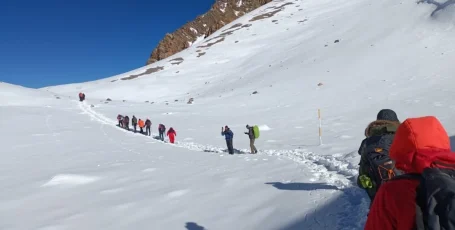
On the third day, after a visit to the revered Galeshwor Temple, your trekking adventure begins as you ascend on a stone-paved trail toward Nagi village. The path involves steady uphill walking and offers views of terraced hillsides and rural life. You’ll stay overnight in Nagi, a peaceful Magar village known for its community-based tourism. The following day, the trail continues upward through lush forests of oak and rhododendron as you make your way to Mohare Danda. The route is well-maintained, primarily with stone steps, and if you’re observant, there’s a chance to spot rare wildlife along the way.
Upon reaching Mohare Danda, you’ll be treated to panoramic views of the Himalayas and can immerse yourself in the local culture with an overnight stay at an eco-lodge. From there, the trek descends to Deurali, passing through dense rhododendron forests within the Annapurna Conservation Area. The journey then leads to the picturesque Gurung village of Ghandruk, known for its traditional architecture and scenic vistas. After exploring Ghandruk, you’ll follow a stone-paved path down to Nayapul, from where a jeep will transport you back to Pokhara.
The next day, you’ll return to Kathmandu by road, marking the end of your trekking experience. This itinerary blends natural beauty, cultural immersion, and serene trekking routes, offering a truly enriching journey through the heart of Nepal.
Best Time to Trek Mohare Danda
The Mohare Danda Trek can be done throughout the year, but choosing the best time largely depends on your preferences and availability. Seasonal changes in weather, climate, temperature, and trail conditions can all affect the overall trekking experience. Here’s a summarized guide to help you decide the ideal time for your adventure:
- Spring (March to early June):
Spring is widely considered the best season for trekking in Nepal, including the Mohare Danda Trek. With mild temperatures ranging between 15°C and 20°C, the weather is pleasant—neither too hot nor too cold—making it ideal for hiking. The skies are mostly clear with little chance of rain, offering great visibility. This season is also a visual delight as the forests come alive with blooming flowers, especially rhododendrons, Nepal’s national flower. The vibrant landscapes and colorful flora create a picturesque trekking environment that enchants all nature lovers.
- Autumn (September to November):
Autumn is another excellent time to undertake the Mohare Danda Trek. Temperatures range from 15°C to 25°C, providing comfortable conditions for walking. The weather remains stable, and the skies are generally clear, allowing for spectacular views of the surrounding Himalayan peaks. This season also coincides with major Nepali festivals like Dashain and Tihar, adding cultural richness to your journey. The combination of festive atmosphere and stunning mountain vistas makes autumn a highly recommended time for this trek.
- Summer/Monsoon (June to August):
Trekking during the summer monsoon season is possible, though it comes with challenges. Frequent rain showers can obscure mountain views, make trails slippery, and attract leeches. However, if you’re equipped with proper rain gear and trekking poles, these obstacles can be managed. On the bright side, the landscape is lush and vibrant, waterfalls are abundant, and the season provides a chance to witness traditional rice planting in local villages. The experience is unique and rewarding for those willing to brave the wet conditions.
- Winter (December to February):
Winter also offers a worthwhile trekking experience, especially for those who prefer solitude on the trails. Though temperatures can dip as low as 5°C, the Mohare Danda route remains accessible due to its relatively low elevation. The weather is crisp and dry, and snowfall in the distance enhances the beauty of the mountain views. With proper warm clothing and insulated sleeping gear, winter treks can be comfortable and incredibly scenic, offering clear skies and peaceful surroundings.
Each season brings its own charm, and with the right preparation, the Mohare Danda Trek can be an unforgettable experience any time of the year.
Typical day during Mohare Danda trek
Our trekking itinerary is thoughtfully designed to ensure both comfort and a rich experience. Each day begins with a wholesome breakfast served between 7:00 and 7:30 a.m., giving trekkers the energy they need for the journey ahead. Our experienced team of guides and porters will lead the trek starting at 8:00 a.m. As we move along the trail, we’ll take regular breaks to soak in the breathtaking surroundings—towering mountains, serene forests, flowing rivers, cascading waterfalls, and more—all of which help ease the fatigue of the trek.
The daily trekking duration is around 6 to 7 hours, carefully planned to allow ample rest and prevent physical exhaustion. Around midday, we’ll stop for a relaxing lunch break, giving everyone a chance to recharge and enjoy the scenic beauty around them. In the evening, a delicious dinner will be served between 6:00 and 7:00 p.m., featuring a variety of both local and international dishes. Our skilled cooks use fresh, locally-sourced ingredients to prepare nutritious meals that leave a lasting impression.
We are dedicated to offering top-notch hospitality and attention to detail, ensuring that each guest’s trekking experience is enjoyable and memorable. As the trek unfolds, you’ll be rewarded with spectacular views of snow-capped peaks, diverse landscapes, and a variety of plant and animal life that shift with the changing terrain. Along the way, you’ll also have the opportunity to interact with local communities and experience their customs and traditions, making the journey not just a trek but a meaningful cultural immersion.
Acclimatization
People from all around the world come to Nepal to explore its stunning landscapes and embark on treks across the Himalayas. Nepal’s vast altitude range and varied geography create unique climatic and environmental conditions unlike anywhere else on Earth. Visitors from different regions must adapt to these new surroundings when trekking here.
With elevations spanning from just 60 meters above sea level to the summit of Mount Everest at 8,848.83 meters, Nepal’s altitude presents challenges, especially for those coming from low-lying areas. At higher elevations, the air becomes thinner and contains less oxygen, which can lead to altitude sickness. To safely trek above 3,000 meters, proper acclimatization is necessary to help the body adjust and minimize the risk of altitude-related illness.
The Mohare Danda Trek reaches a maximum altitude of about 3,300 meters, placing it at the threshold where altitude sickness can occur. However, since this is considered a lower-altitude trek, the likelihood of experiencing altitude sickness is quite low. Still, some individuals from very low altitudes might experience mild symptoms.
Our experienced trekking team is well-prepared to support trekkers in managing altitude sickness. We strongly encourage guests to stay well-hydrated by drinking plenty of water, hot soups, and teas, which aid in prevention. Additionally, we follow a gradual ascent strategy, allowing the body adequate time to adapt by limiting daily elevation gains to between 300 and 1,000 meters. Frequent rest and avoiding overexertion during trekking are crucial for proper acclimatization. Even fit individuals can be vulnerable to altitude sickness, so ascending slowly is essential for safety.
At our company, guest safety and well-being are top priorities. If any trekker experiences severe altitude sickness and cannot continue, we will arrange for their safe return. Our dedicated team is committed to ensuring that every guest enjoys a secure and memorable trekking experience in Nepal.
Trekking Difficulties
The Mohare Danda Trek is regarded as an easy and relatively short trekking route. The main factors influencing the trek’s difficulty are the total distance covered and the altitude gained. Located close to the picturesque city of Pokhara, the trek covers about 45 kilometers, with the highest point reaching 3,300 meters above sea level. The terrain in this region is uneven, featuring narrow, stone-paved trails that alternate between ascents and descents and pass through forested areas. Despite these features, the trek is considered easier compared to many other routes in the region due to its shorter distance and moderate altitude.
To ensure a safe and enjoyable journey, we provide skilled and qualified guides and porters who are fluent in English and maintain professional, courteous behavior throughout the trek. Our team is well-prepared to handle any challenges that might arise and takes care of all the necessary arrangements and services.
Additionally, our guides and porters offer valuable insights about the local environment, including the flora, fauna, mountain views, forests, rivers, and the traditions and cultures of the communities you will encounter. This enhances the overall trekking experience by connecting you more deeply with the area’s natural and cultural heritage. However, because the trek has a moderate level of difficulty, we advise that infants, young children, elderly individuals, pregnant women, those on regular medication, or people with below-average physical fitness consider avoiding this trek for their safety.
Trekking Guide and Porter Cost
The Mohare Danda Trek offers an ideal chance to connect deeply with nature, culture, and tradition while escaping the pressures of everyday life. Whether you’re trekking with colleagues, friends, family, or as a solo female traveler, this trek is well-suited for those with moderate fitness levels. Although trekking independently is possible, local regulations require foreign visitors to hire a guide and porter.
Our company provides highly skilled and experienced guides and porters who speak fluent English and are known for their professionalism and friendliness. We are dedicated to helping you experience the rich cultural heritage of Nepal, and if needed, we can arrange translators to ensure smooth communication.
Our 10-day trekking package is especially suitable for group trips. Since each porter can carry between 20 to 25 kilograms, efficient packing is important. We supply porters to help carry your warm clothing and personal items, and the number of guides and porters assigned depends on the group size. We prioritize providing you with the support needed to make your trekking adventure both safe and enjoyable.
| Number of Trekkers | Numbers of Guide | Numbers of Porter |
| For 1 or 2 trekkers | 1 guide | 1 porters |
| For 3, 4, or 5 trekkers | 1 guide | 2 porters |
| For 6 or 7 trekkers | 1 guide | 3 porters |
| For 8 trekkers | 1 guide & 1 assistant guide | 4 porters |
| 9 trekkers | 1 guide & 1 assistant guide | 4 porters |
| For 10 trekkers | 1 guide & 2 assistant guide | 5 porters |
Note: company will provide the Number of guide and porter depends of group size.
To summarize, Mohore Danda Trek is an ideal way to experience the natural beauty of the Himalayas and the cultural richness of Nepal. Our friendly and experienced team will ensure that you have an unforgettable adventure.
Trekking Permit
Individuals and groups trekking in Nepal enjoy the freedom to explore many parts of the country, but certain regions—such as the Himalayas, wildlife reserves, and conservation areas like the Annapurna Conservation Area—require specific permits. Trekkers wishing to visit these areas must obtain the necessary permits from the Nepalese government and tourism authorities. It is advisable to work with authorized trekking agencies, who can assist in securing these permits on your behalf.
For those planning to trek the Mohare Danda route within the Annapurna Conservation Area, obtaining a TIMS (Trekkers Information Management System) card is mandatory before starting the trek. This card can be obtained from the Nepal Tourism Board office in Kathmandu, a process that typically takes 20 to 30 minutes and involves filling out a form and paying a fee of $20 USD.
Additionally, trekkers need an Annapurna Conservation Area Entry Permit to access this region. This permit is available from the Nepal Tourism Board offices in both Kathmandu and Pokhara, and costs around 3,000 NPR. A photograph is required to complete the permit application.
In short, both the TIMS card and the Annapurna Conservation Area Entry Permit are essential for anyone trekking in the Mohare Danda region. The TIMS card is issued by the Nepal Tourism Board in Kathmandu, while the conservation permit can be obtained from either their Kathmandu or Pokhara offices.
Food and accommodation
Upon your arrival in Nepal, we will accommodate you comfortably in a standard 3-star hotel in Kathmandu. Throughout the trip, we will explore two major cities and several villages, where you will stay in 3-star hotels in the cities and in teahouses, homestays, or lodges in the villages. While facilities may vary, we guarantee that you will have essential amenities and comfortable lodging throughout your journey.
Food plays a vital role in our cultural and adventure experience. We offer a diverse range of meals, including traditional Nepali dishes like Dal, Bhat, and Tarkari, along with Indian and Tibetan cuisine. Our meals are prepared with care to ensure they are healthy, hygienic, and nutritious, accommodating any dietary needs you may have. In the villages, particularly in Ghandruk, you’ll get a special chance to savor authentic local cuisine and beverages from the Gurung and Magar communities. Additionally, you can enjoy traditional songs and dances performed by welcoming locals, creating memorable cultural moments.
We pride ourselves on providing an unforgettable journey that seamlessly blends cultural immersion with adventure. Your safety is our highest priority, and we will do everything possible to ensure a smooth and secure experience. To conclude the trek, we will host a farewell dinner featuring continental dishes, offering you a comforting taste of home.
Drinking Water
To protect the pristine environment of the Mohare Danda region, the use of polyethylene is strictly banned. This rule also applies to mineral water sold in plastic packaging, which is not permitted in the area. Therefore, it is essential that you bring your own reusable, sturdy water bottle for the trek.
As you travel through the villages, you can refill your bottle with filtered or boiled water provided locally. In some locations, you may need to purchase filtered water along the way. We recommend carrying an adequate supply of water to ensure your comfort and convenience throughout the journey.
By adhering to these guidelines, we can all contribute to preserving the natural beauty of Mohare Danda and keeping it free from pollution. Together, we can make a meaningful difference for the environment and help safeguard this stunning region for future generations.
Travel Insurance
Traveling to destinations like the Mohare Danda Trek involves certain risks due to the altitude and terrain. Therefore, securing travel insurance before your trek is essential and should be considered mandatory. This insurance must cover vital medical expenses as well as helicopter rescue services in case of emergencies or accidents during the trek.
Nepal Ryokou does not provide insurance policies, so trekkers are required to obtain their own coverage from accredited insurance providers. You must present your insurance certificate to Nepal Ryokou prior to beginning the trek. This documentation helps ensure smooth coordination in the event of a rescue or any medical emergency requiring advanced equipment. Given the uncertainties involved in trekking, having proper insurance reduces risks and the impact of unforeseen incidents. Hence, travel insurance is a critical requirement for trekking in Mohare Danda.
We suggest several reputable insurance companies for travelers from various regions, including Online Global Health Insurance, Travelex, Insure My Trip, Mondial Assistance, Access America, HCC Medical Insurance Services, Good Neighbour Insurance, International Health, MultiNational Underwriters, TIC Travel Insurance Coordinators Ltd, Travel Assist, TraveLite, Specialty Group (UK) Limited, FirstAssist Services Limited, Harrison Beaumont, Assistance CORIS, Cover More Travel Insurance, CGU Insurance Limited, and Travel Insurance Consultants Pty. Ltd.
Please note that these recommendations are based on feedback from previous trekkers and are provided solely for your consideration.
Electricity and Communication
Electricity and internet services are generally available around the clock in urban areas. However, while trekking, you may encounter occasional power outages in some villages. Additionally, in the tea houses or lodges where you stay, there could be extra fees for using electricity or internet due to the remote location or high demand on the route. Please be aware that during the trek, consistent access to electricity and internet is not guaranteed. It is therefore recommended to fully charge your electronic devices at the accommodations where you will be staying.
ATM and Money Exchange
Nepal’s cities, particularly Kathmandu Valley and Pokhara, offer convenient ATM and currency exchange services. However, these facilities are often unavailable in the villages, where only Nepalese currency is accepted. Therefore, it’s important to exchange your foreign currency for Nepalese rupees in either Kathmandu or Pokhara before heading to the rural areas.
Since modern banking services are limited or nonexistent in village locations, carrying enough local currency is essential for purchasing food, water, and other necessities during your trek. ATMs and money exchange centers are readily accessible in the cities, providing easy access to Nepalese money.
To ensure a smooth experience, we recommend planning ahead and converting your currency before your trek begins. Our team is also available to assist you with currency exchange in Kathmandu or Pokhara to help make the process hassle-free.
Tipping
Tipping in Nepal is a customary way to show appreciation for services but remains entirely optional. Trekkers can decide whether and when to tip based on their satisfaction with the service they receive.
Usually, tipping occurs on the last day of the trek, but guests may also choose to tip hotel or lodge staff and others at any point during their journey. When determining how much to tip, it’s important to consider the quality of service, its duration, and your overall experience. Although tipping is a common practice, it is never mandatory, and trekkers should never feel obligated to tip if they are not satisfied. For those unable to provide a tip due to financial reasons, a simple verbal thank you—such as saying “Dhanyabad” or “Thank you”—is always appreciated.
Outline Itinerary
Day 1: Arrival Kathmandu
Day 2: Sightseeing around Kathmandu and trek preparation
Day 3: Drive from Kathmandu to Galeshwor overnight at the hotel.
Day 4: Trek from Galeshwore to nagi village.
Day 5: Trek Nagi village to Mohare danda.
Day 6: Trek from Mohare danda to Deurali
Day 7: Trek from Deurali to Ghandruk
Day 8: Trek from Ghandruk to Nayapul and drive back to Pokhara.
Day 9: Drive from Pokhara to Kathmandu.
Day 10: Final Departure.